
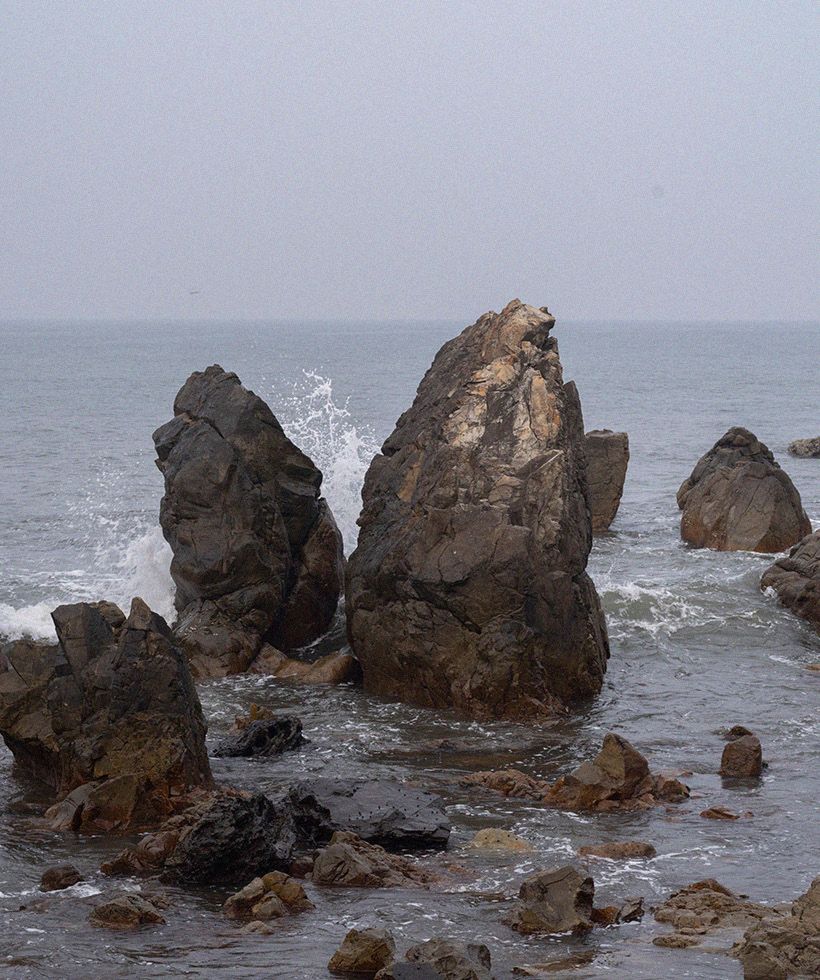
Panjim, Goa
Tab: Panjim
Anchor: panjim
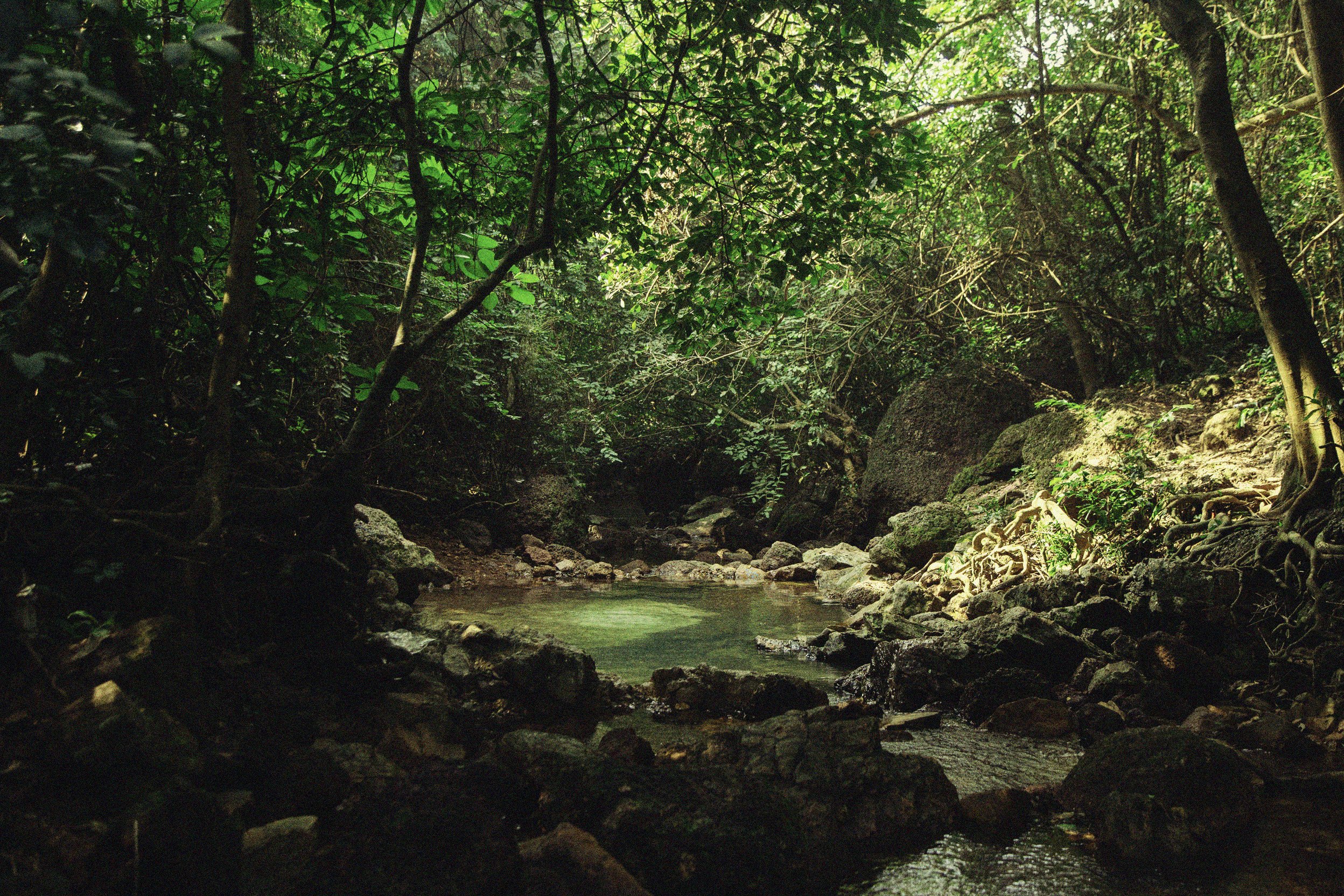
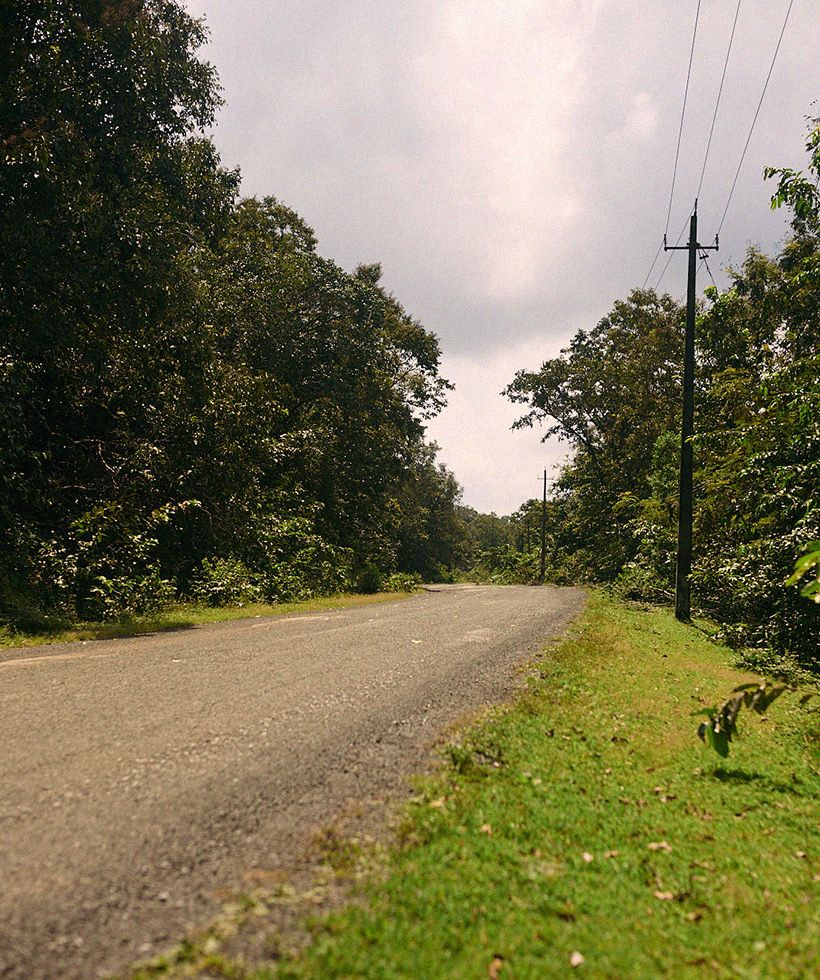
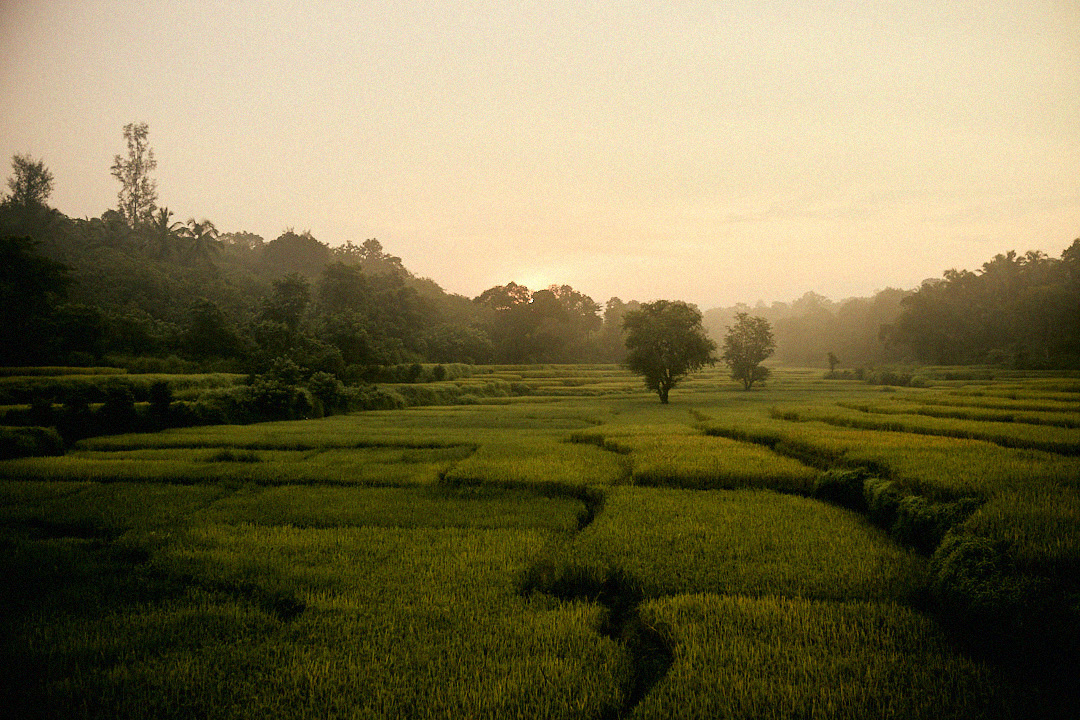
The mega highways connecting India have really taken the grit out of the quintessential road trip. More often than not, I find myself on roads that haven’t yet met the highway. Cyclists ride by, you pull through a bazaar town or pause for a minute to marvel at how green the rice fields are. It takes longer to reach the destination but stopping for coconut water and buying some bangles makes up for lost time.
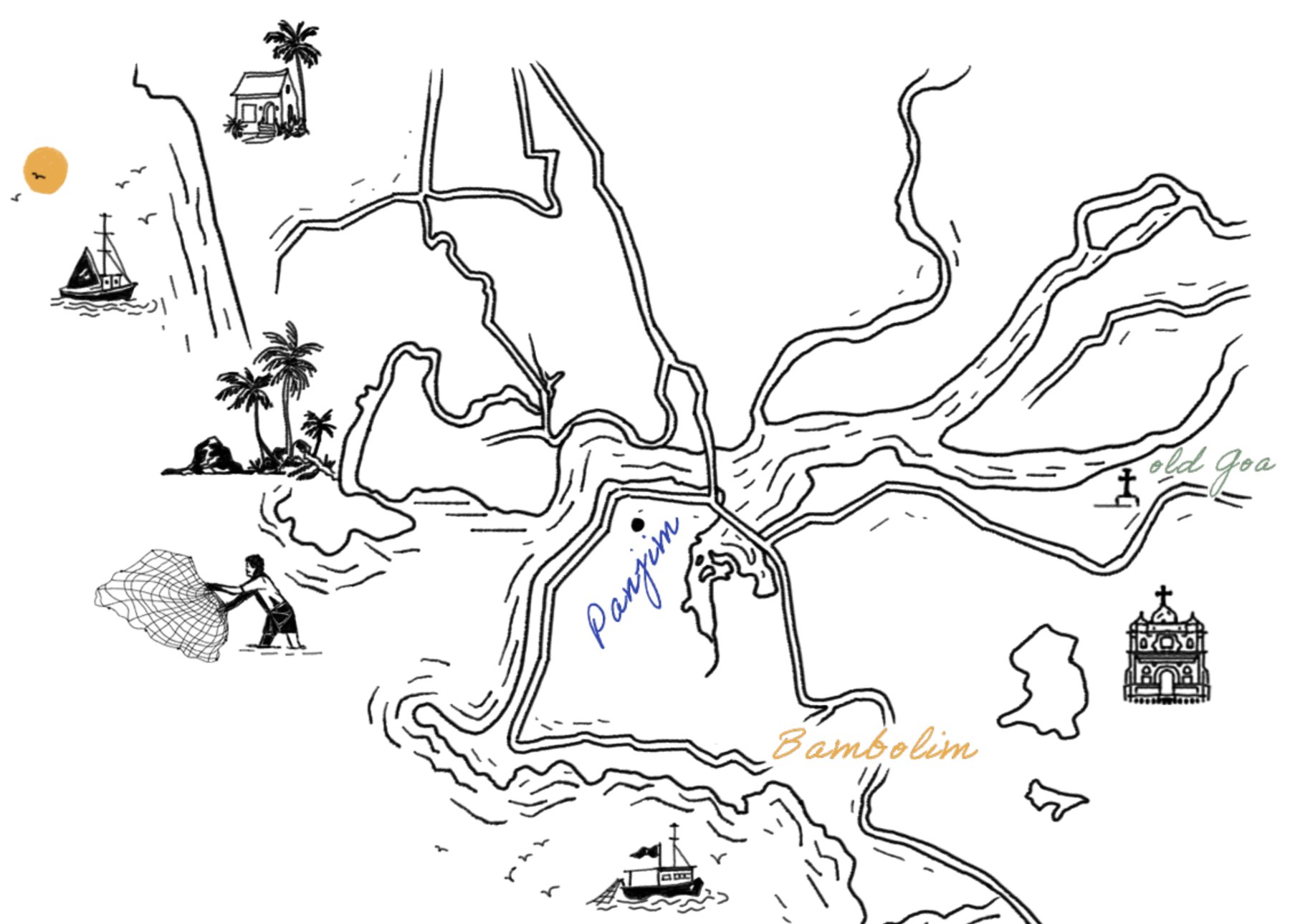
There is a broad consensus amongst those who have loved Goa for a long time that the transformation of the north into a suburb of Delhi or Bombay has sullied the vibe. So, these days I find myself exploring Panjim and its vibrant food scene.
Story
Under The Cashew Tree
Category: Policy and Politics
Region: Goa
Type: Essay
Date: January 1, 2025
Dek: A Mandrem restaurant owner navigates Goa’s shifting seasons
By: Matt Daniels
Link: /new-long-form-article/under-the-cashew-tree
Link label: Read more
IN MONSOONS PAST, Mandrem Beach was caught between two seas.
On one side of this sandy sliver of land in North Goa lay the forbidding Arabian Sea. Roused to anger by powerful climatic currents, it dredged up submerged debris and tugged swimmers into its dark, hungry churn.
On the other stretched a tranquil expanse of azure. This second sea was made of tarp. It covered bamboo beach shacks, huts made of woven coconut mats, and slapdash roadside stalls. It battened down leeward windows and roofs made of earthen Mangalore tiles. It hid heaps of sand and cement, stockpiled for hurried off-season improvements.
Gradually—then, post-pandemic, quite suddenly—this sea of tarp began to recede.

Story
Looking For Coconut Feni
Layout: images left
Category: Policy and Politics
Region: Goa
Type: Law & Justice
Date: April 1, 2025
Dek: Maria de Lourdes Fatima Fernandes Bravo da Costa has a PhD in history from Goa University and has written extensively on Goa. She retired as Assistant State Librarian, State Central Library, Goa.
By: Maria de Lourdes Fatima Fernandes Bravo da Costa
Link: /new-long-form-article/looking-for-coconut-feni
Link label: Read more
Growing up, I was first acquainted with popular folklore about the coconut tree in a story I heard from my grandmother. When Joseph and Mary were fleeing from the soldiers of King Herod, she told me, they came to seek shelter under a banana tree. The tree was unwelcoming; it raised its leaves. Next, they tried a coconut tree. The tree spread its leaves, giving the family ample space to hide. In gratitude, Mary blessed it: the tree would bear fruit all year round, and none of its parts would go to waste.
According to the tale, her blessing explains why every part of the tree and fruit is valuable. The water found inside a tender coconut is a delicacy, a refreshing drink that has for generations been rehydrating those working under the sun.
Stay
Anchor: stay-amrapali
Location: BAMBOLIM
Name: Amrapali · House of grace
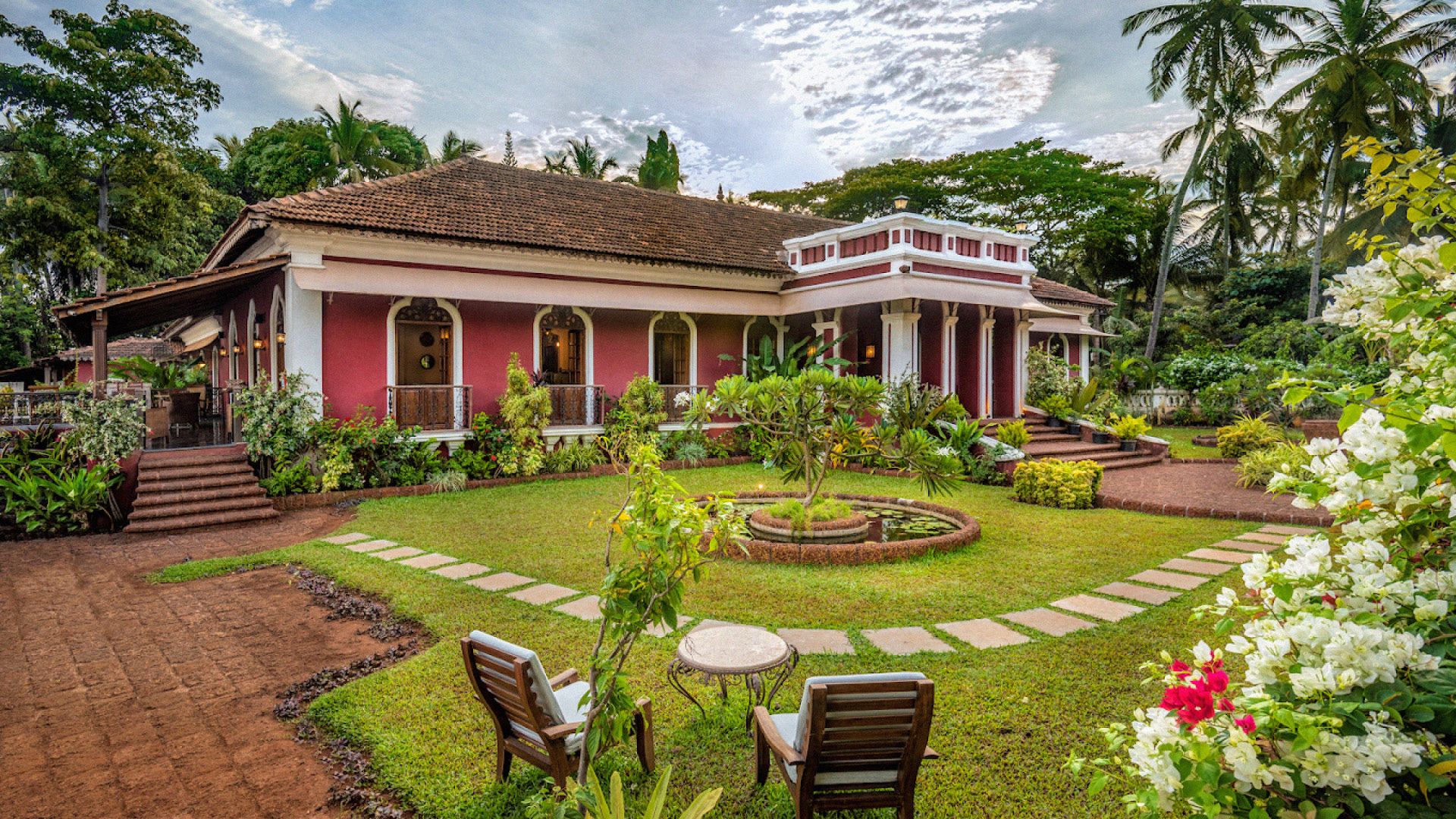
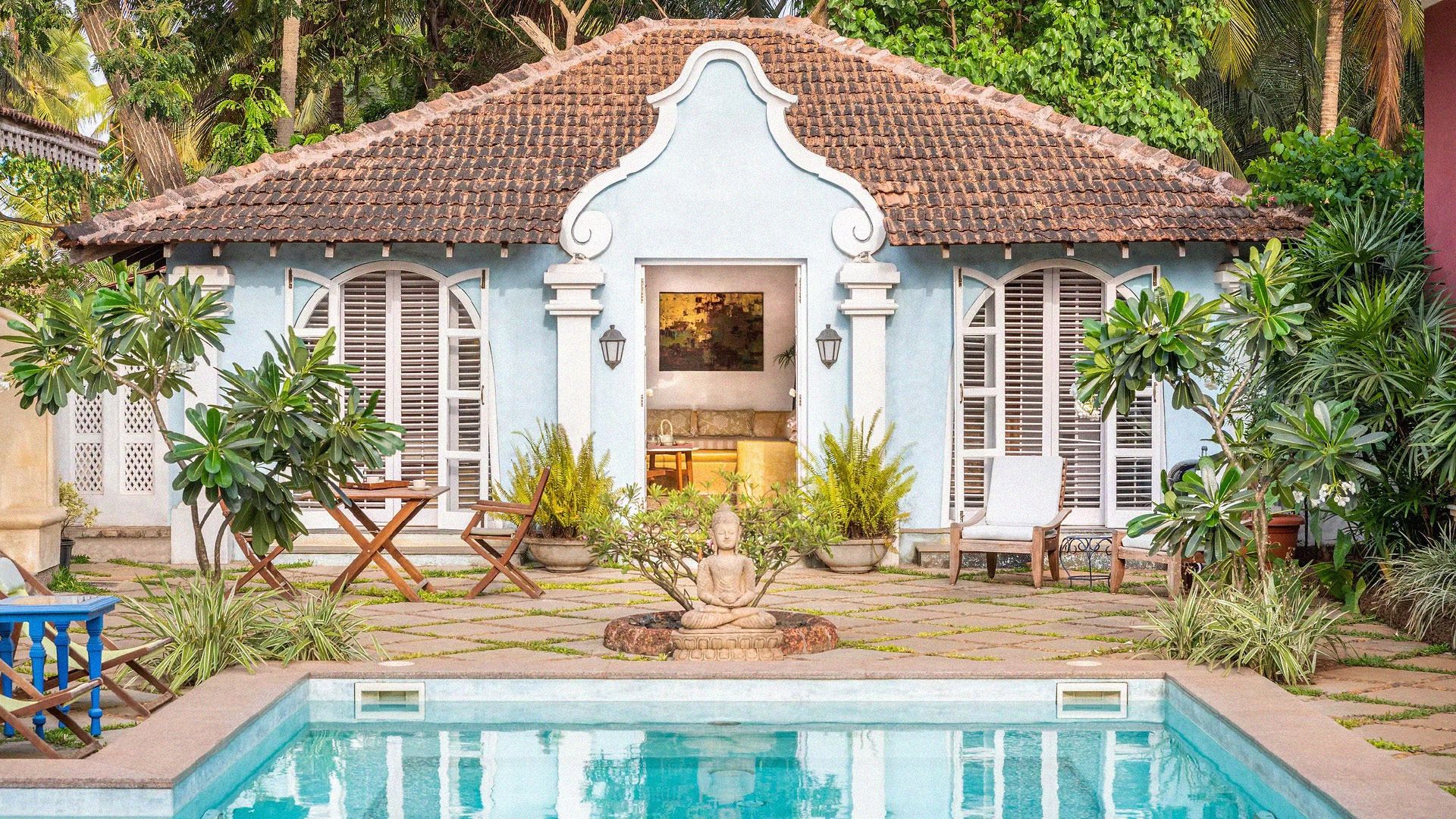
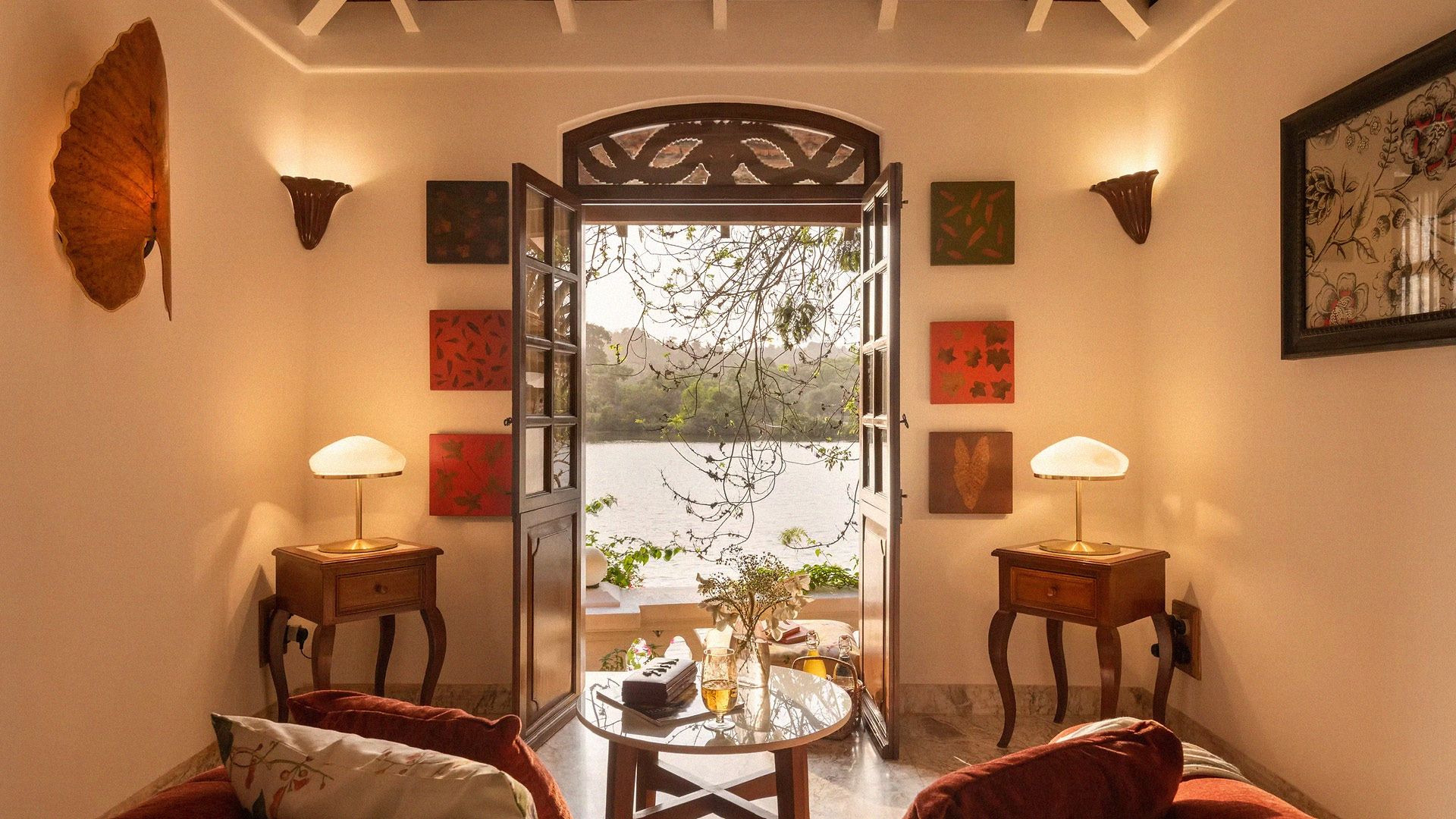
It takes about 14 hours but when you pull into the Amrapali, a stunning Portuguese villa on the Zuari in Bambolim, so wonderfully restored, and have a sip of their homemade lemonade, you’ll be ready to embark on the next chapter of your story.
Guide
Journeyes guide to Panjim
Anchor: guide
Art description: Drawings of Amrapali in Bambolim, a katre pav steak sandwich, a scooter, a patlo bamboo basket with fish, and blue azulejo tiles
Those who have loved Goa for a long time will tell you the north is gone. So I stopped arguing and started eating in Panjim, which asks nothing of you before noon. It begins with puri bhaji, vegetarian, because you’ll need the base. By eleven I’m in the narrow lanes of Fontainhas with liver fry and a beer so cold it sweats through the table. Then xacuti, thick enough to coat the palate and the liver, and urrak if it’s in season. Sorpotel and fried prawns follow, worth the wait. Somewhere in the heat and the spice you’ll want to lie down, so you do, by the water at Miramar, with a box of pastéis de nata that you swear will last till dinner. It never does. At sunset, steep steps down to the sand and an overpriced cocktail. Dinner is pâté and steak, and the night ends with bebinca, then bed. Go Wednesday to Saturday. On Sundays, the good places shut.


Label: Amrapali – Bambolim @ 28.6, 11.6, 32
Label: Katre pav / steak sandwich @ 67.6, 49, 18
Label: Patlo – a traditional hand / woven bamboo basket @ 34.9, 86.1, 31
Map button: A google map / guide to Panjim @ 76.4, 16.3, 21
Drawer label: JoB x Panjim · a day in Panjim
Drawer intro: Do it Wednesday to Saturday: Café Tato and Ashok close Sundays; Cifa, Padaria and Praça close Mondays; and Outrigger closes Tuesdays. Walk the morning, cab the afternoon, walk the evening.
Stop: Café Tato | 8:30 am · near Panjim Church
Stop: Bombil Restaurant | 1:30 pm
Stop: Padaria Prazeres | 3:30 pm
Stop: Miramar Beach | 4:15 pm · take a cab
Stop: Bar Outrigger | 5:30 pm · take a cab
Stop: Praça Prazeres | 9 pm
Stop: Hotel Fidalgo | 10:45 pm · bebinca after dinner, then crawl into bed
Extra: Viva Panjim | In Fontainhas and open daily, if you want another meal on another day.
Extra: Hotel Anandashram | A fish thali near the Head Post Office. Sunday lunch only.
Extra: Relax Inn Guesthouse | A family-run stay with a café on Rua São Tomé, in Fontainhas.
Map: Fontainhas, Panjim, Goa
Ankola – Gokarna
Tab: Ankola
Anchor: ankola
Layout: map left
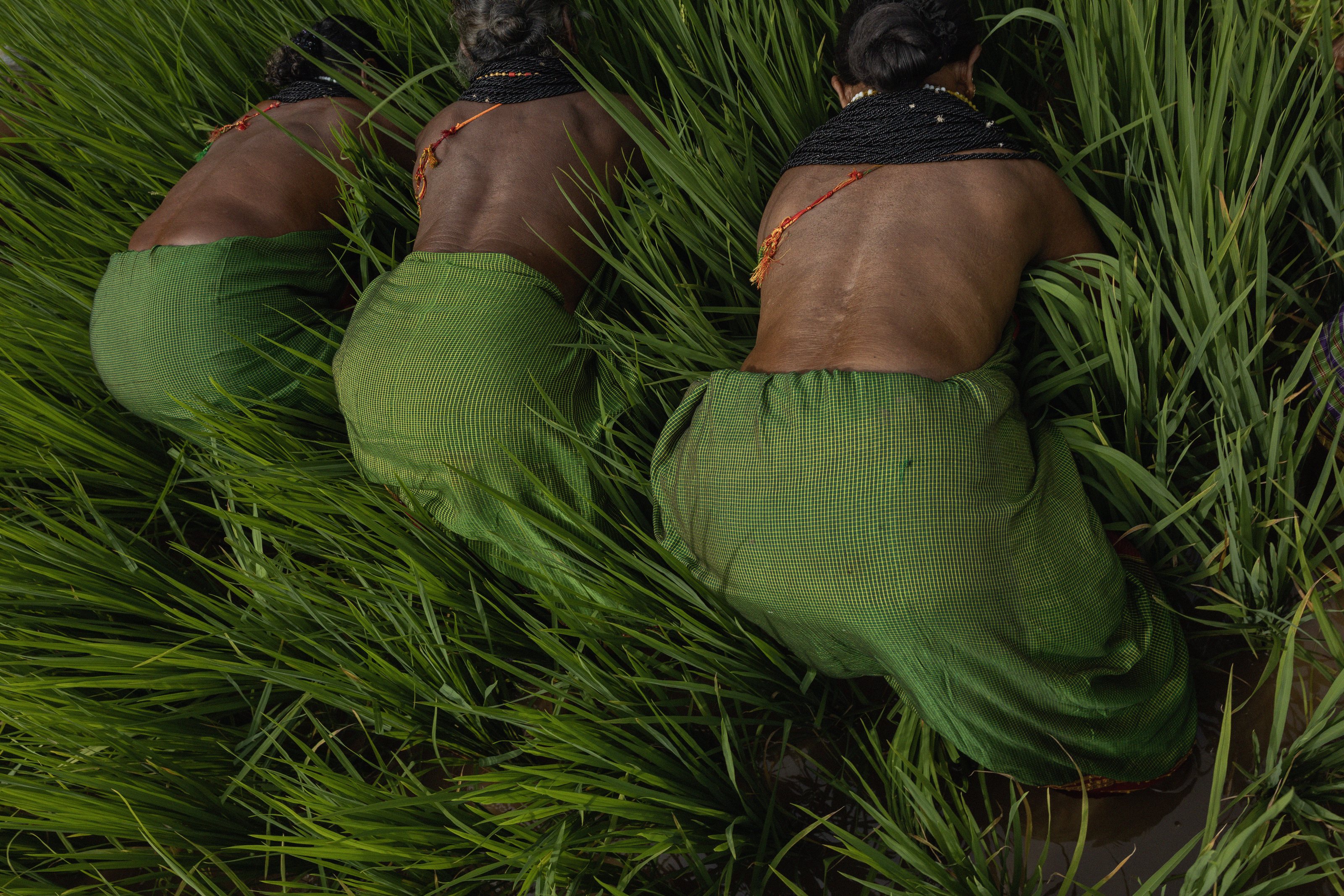
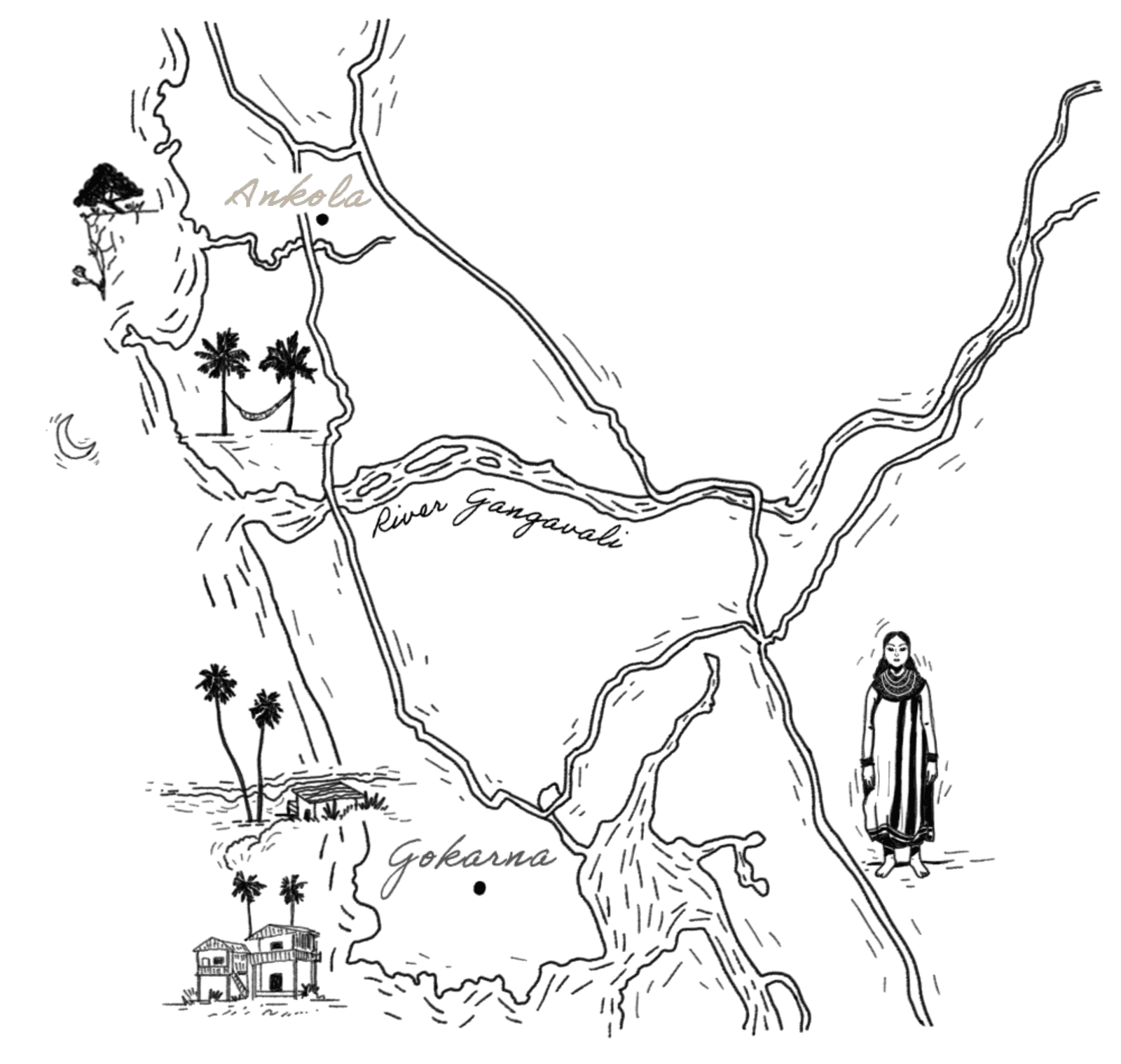
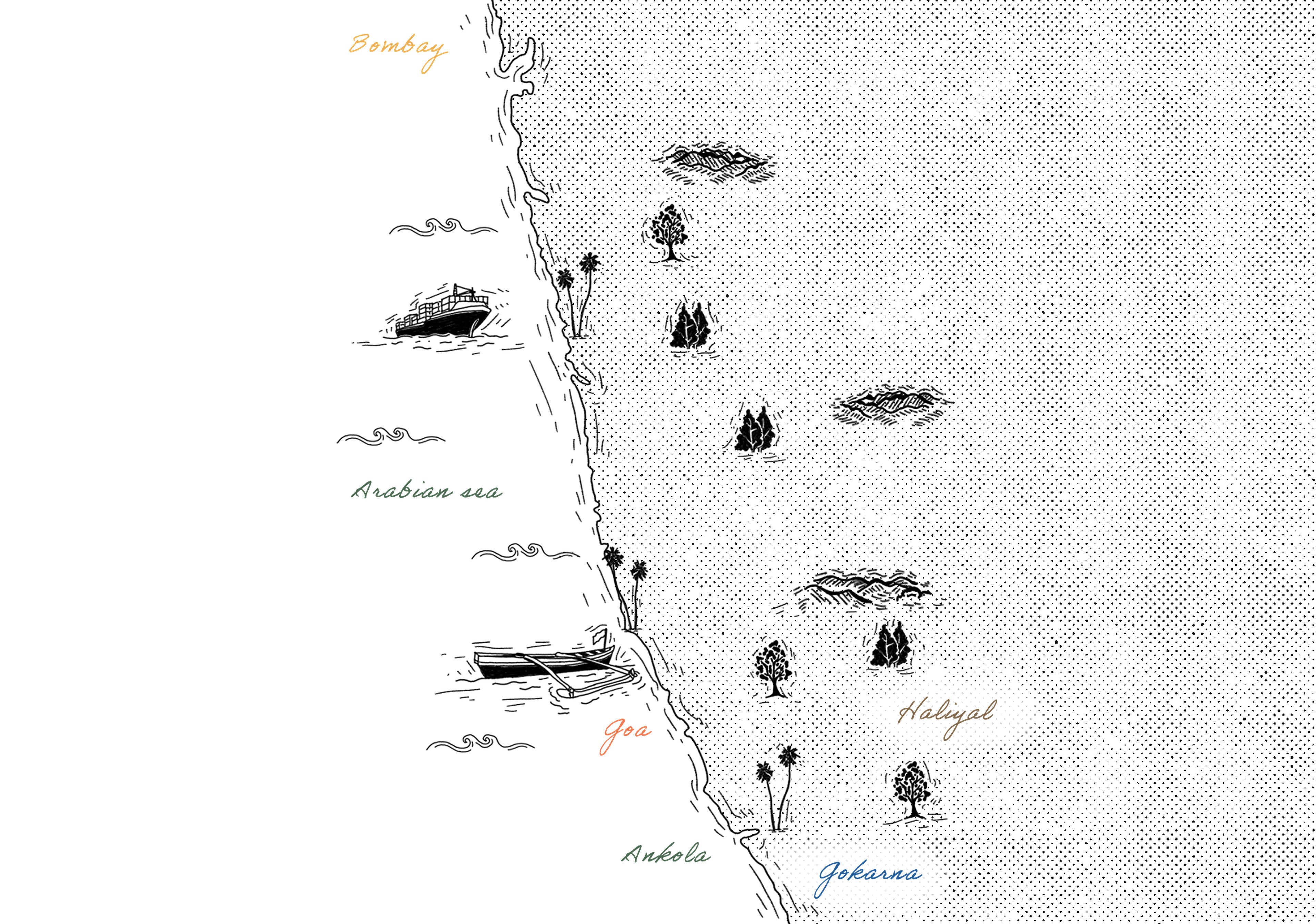
The backstory is important here. Sometime in the early 2000s, we heard of a place called Paradise Beach. These were days of the Lonely Planet and internet cafés where word of mouth and bus rides dropped you off in locations you’d simply have to imagine or experience. We were dropped off on Om Beach. There were a few huts, hammocks and a trek towards Paradise. It was during a walk in Gokarna that I first discovered the incredible drapes of the Halakki women.
Fast forward to 2025 and Gokarna is developing fast. On top of the hill where we once stayed in 500-rupee huts is a majestic bungalow known as Paradise Kahani. There was little activity in the small bazaar town.
Highlighted places: Om Beach · Paradise Beach · Paradise Kahani · Ankola bazaar town
Photos
Anchor: halakki
Caption: Ankola · the Halakki
Popup label: Read the Halakki story
Popup title: The Halakki of Ankola
Popup quote: For a cultural immersion, I’d recommend meeting the women of this community.
Button: Explore the craft | /the-artisan-database#database
Ask button: Ask about a visit
Ask subject: Journeyes — Meet the Halakki women, Ankola
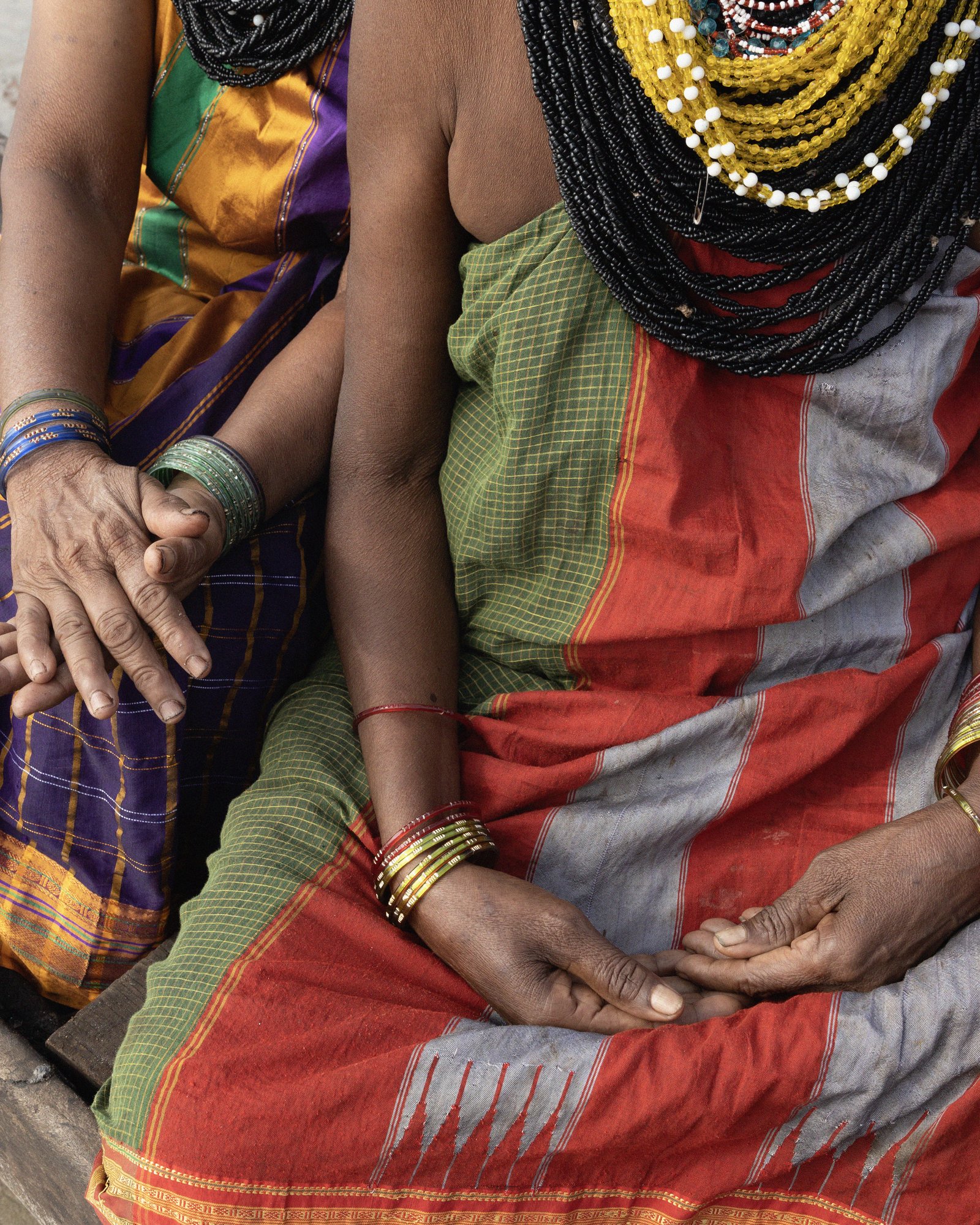
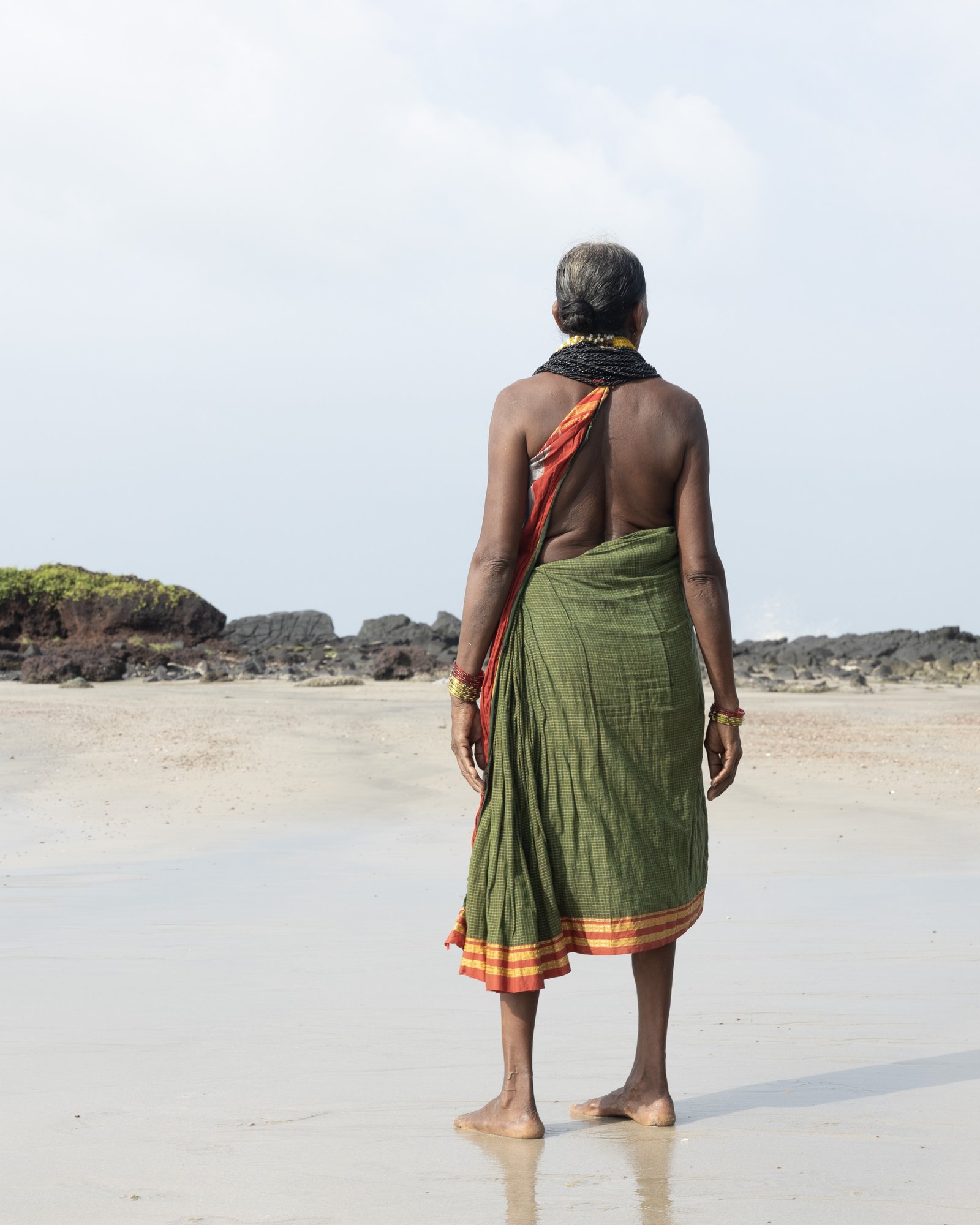
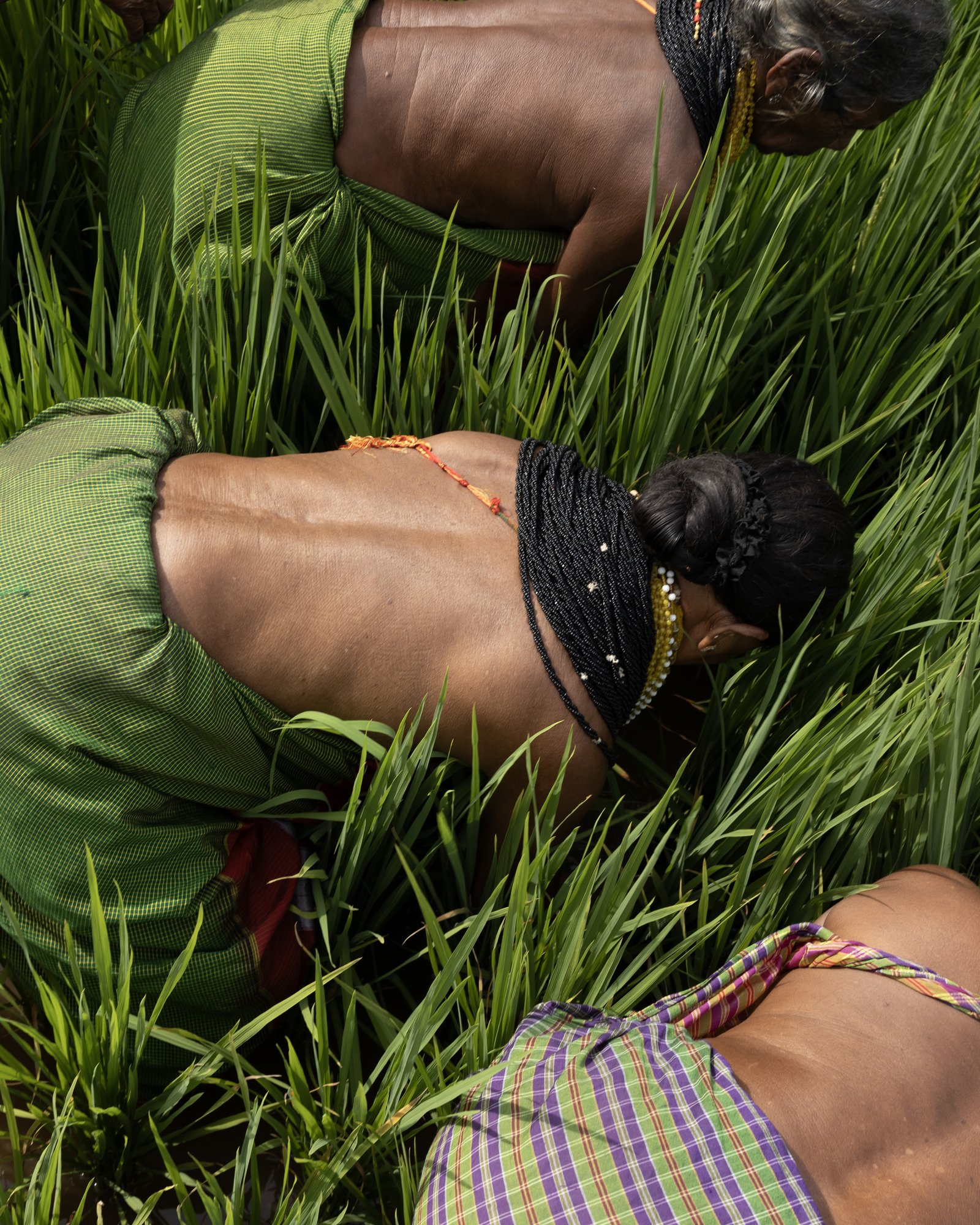
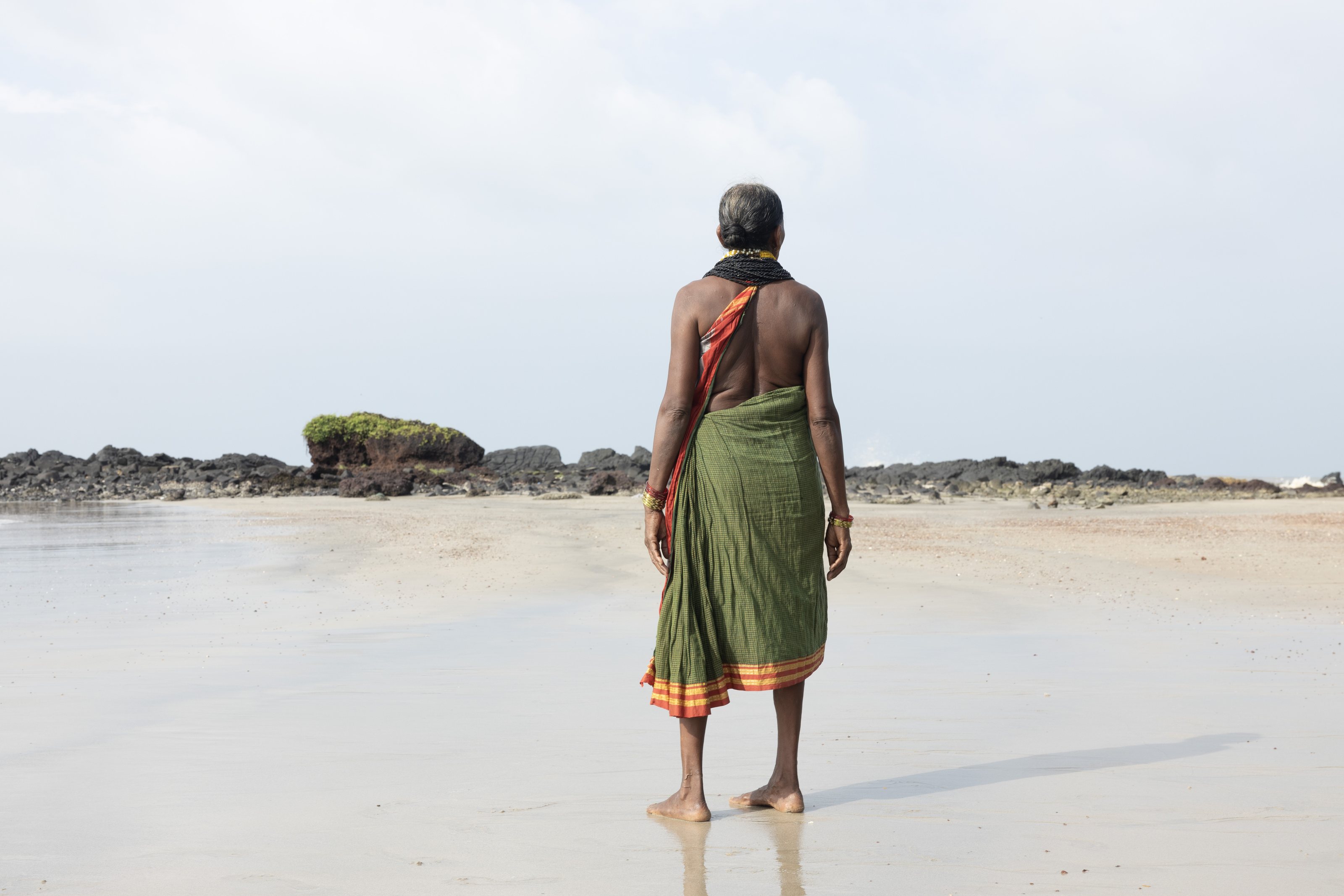
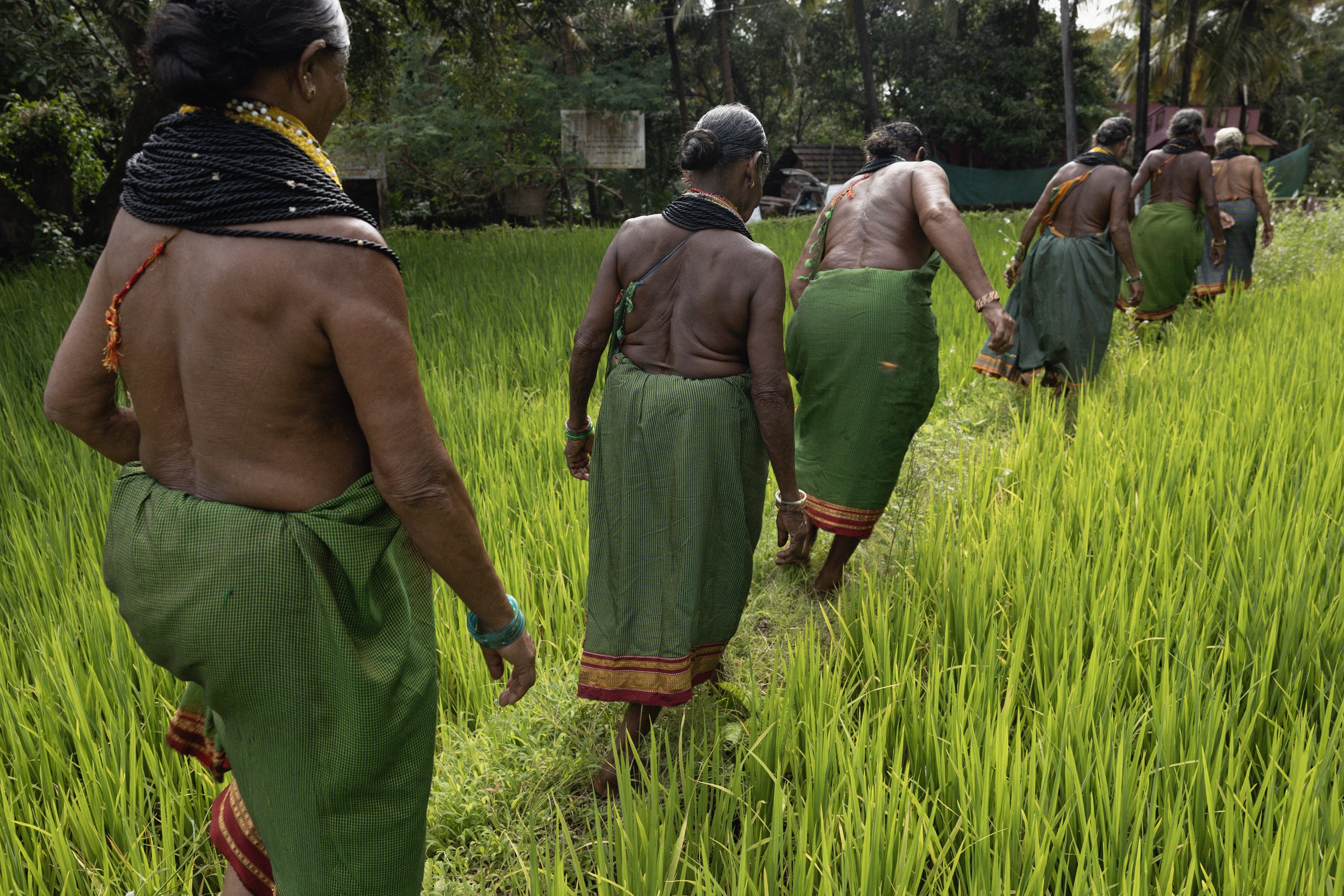
The Halakkis have a fascinating history of passing down tradition in song but it was their drape that stayed with me. We spent a few days with the women of the tribe, learning their cultural practices and customs. Lugli, an elder in the community, recounted how women were coerced by local officials to start wearing a blouse and how she, with the rest of the women, resisted. At twilight, they sang their songs and explained the meaning. Their coast and way of life is slipping and the older generation are clinging on to the past, seeking young women from the tribe who are willing to carry on their practices.
Quote
There was a melancholy, as time passed and the present crowded in on the old ways.
Stay
Anchor: stay-kahani
Location: PARADISE BEACH . GOKARNA
Name: Paradise Kahani
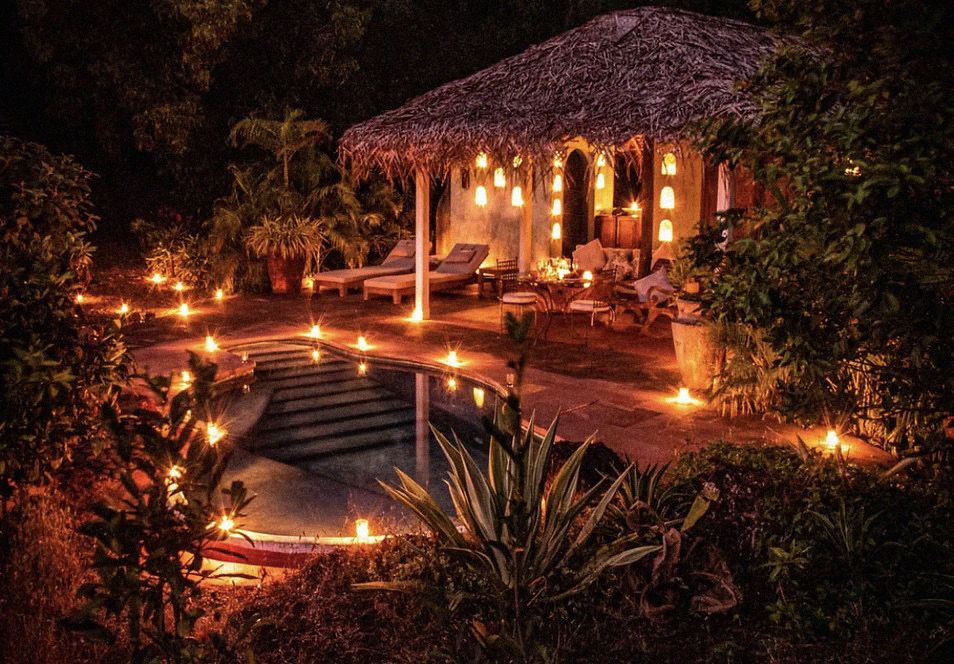
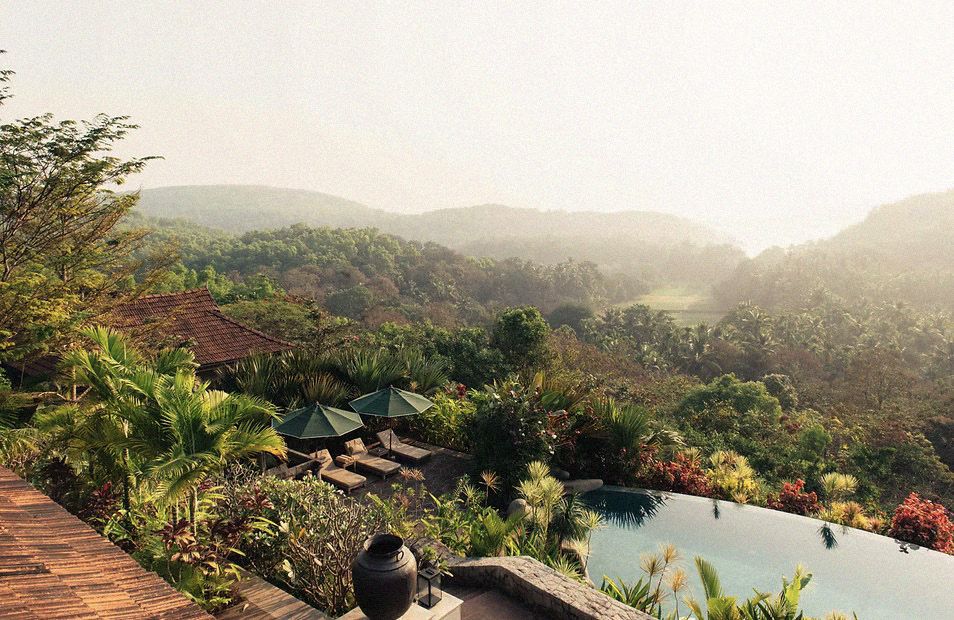
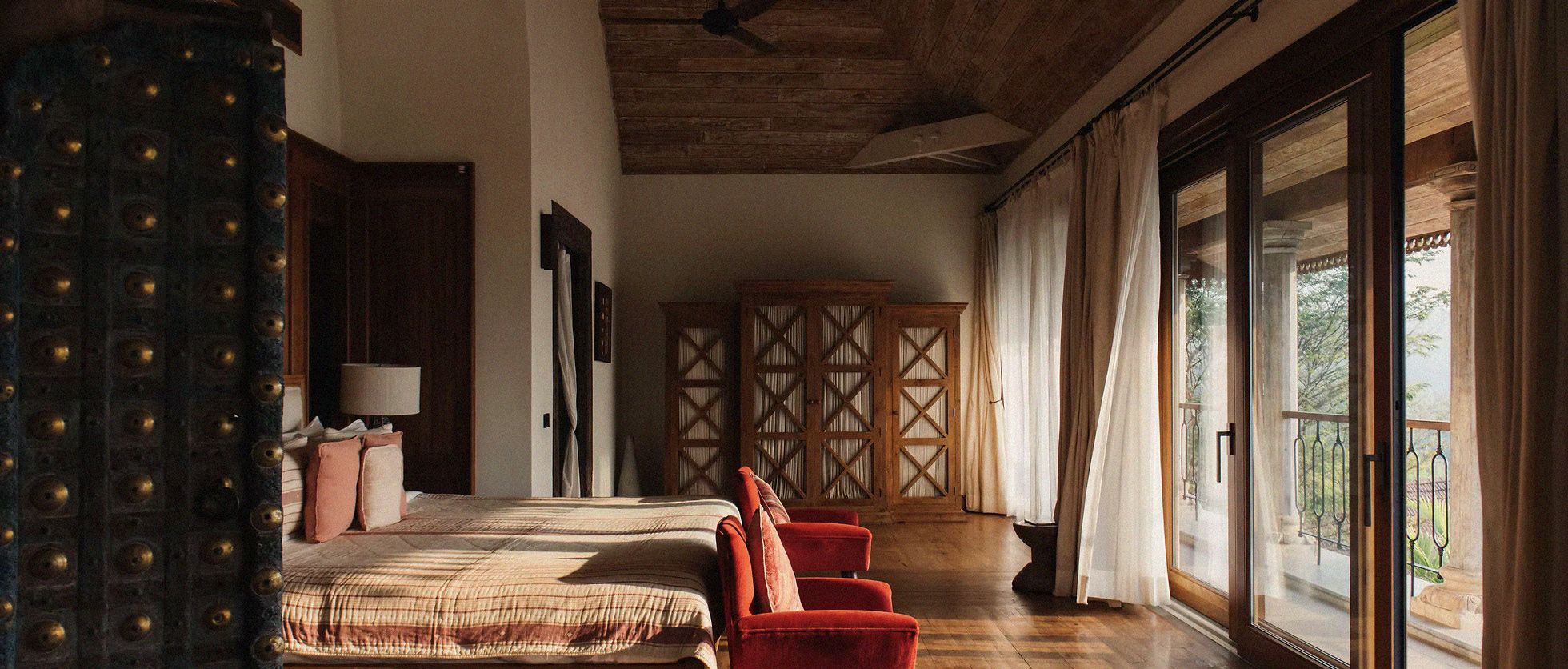
Six suites on a jungle hillside above Paradise Beach, on Karnataka’s Uttara Kannada coast.Kahani means “story,” and this one begins on a hilltop in the jungle above Paradise Beach, where the Western Ghats drop into the Arabian Sea. It is a family-owned estate, and it still feels like a family home that happens to have guests. There are no beach shacks or crowds.
Stay
Anchor: stay-kamat
Location: ANKOLA, GOKARNA
Name: Hotel Kamat Plus – Budget stay
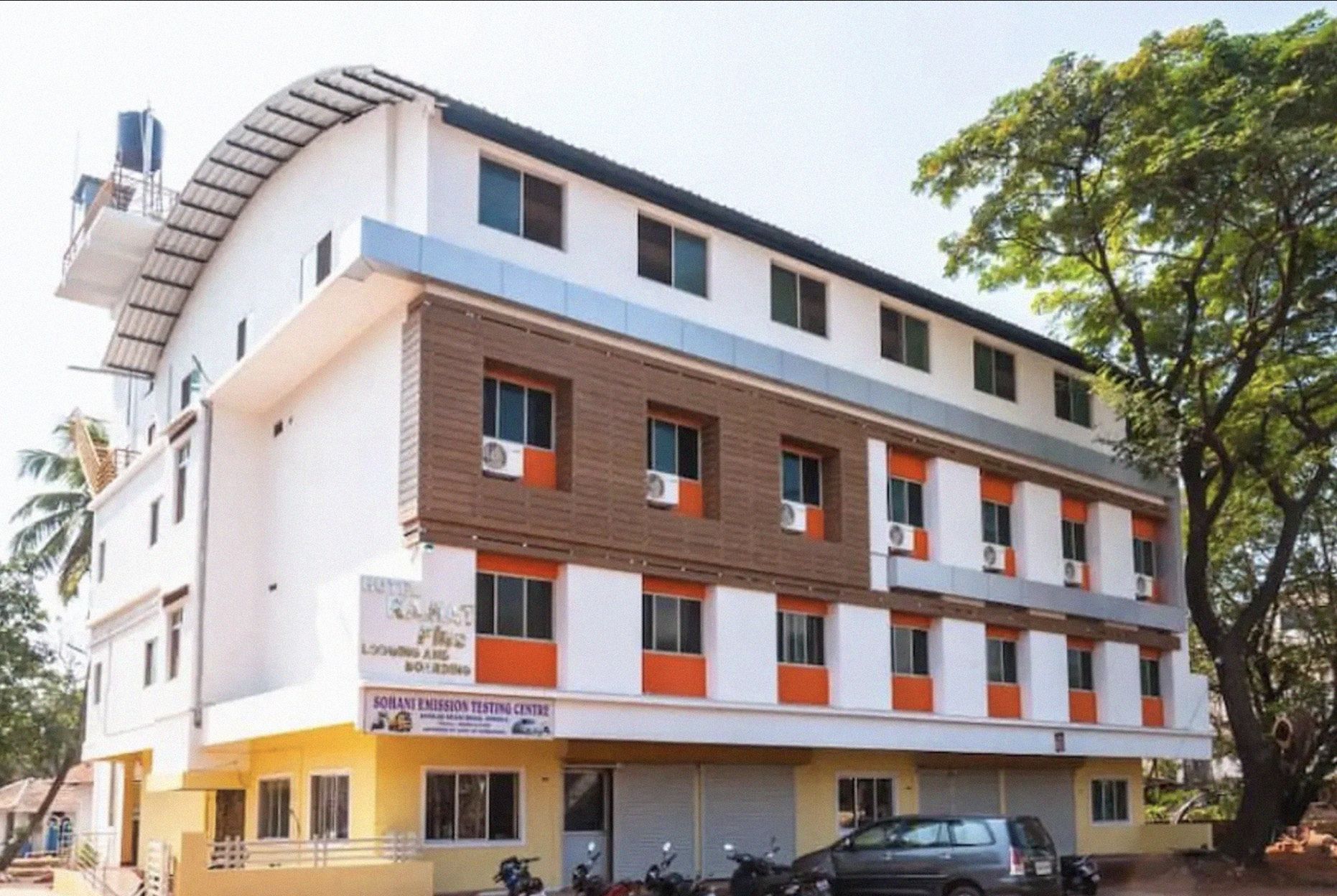
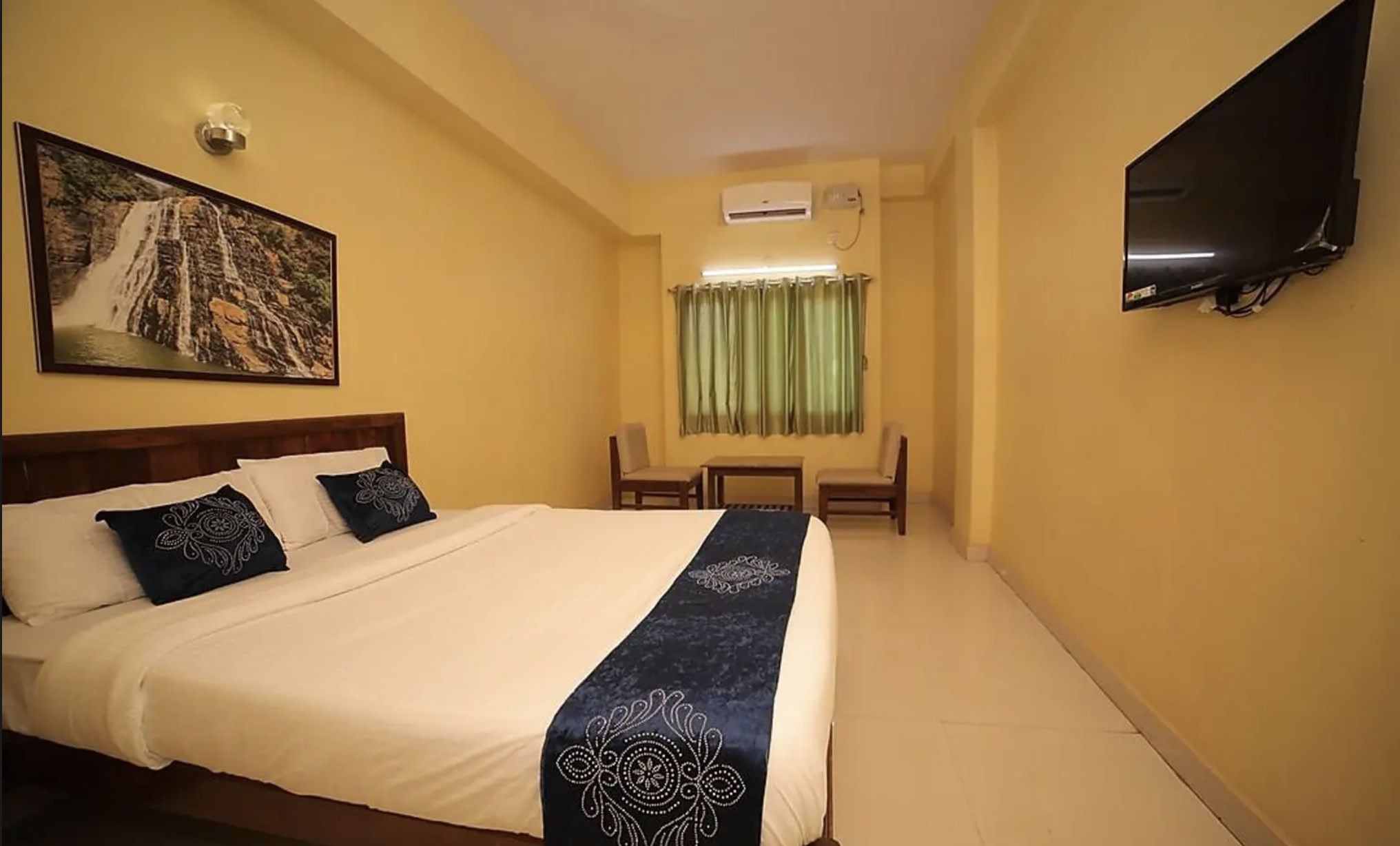
Hotel Kamat Plus is located just off the main road in the bustling bazaar town of Ankola. While it may not be among the finest hotels in India, it is neat, clean and comfortable. For those visiting to explore the region’s drapes and cultural heritage, the hotel’s welcoming and enthusiastic team makes it a pleasant enough stay. The bathrooms are well-equipped, with hot water available throughout the day. A small restaurant attached to the hotel serves thalis and wholesome meals at reasonable prices. The main bazaar, about a five-minute drive away, offers a variety of local wares.
Guide
Journeyes guide to Ankola
Anchor: ankola-guide
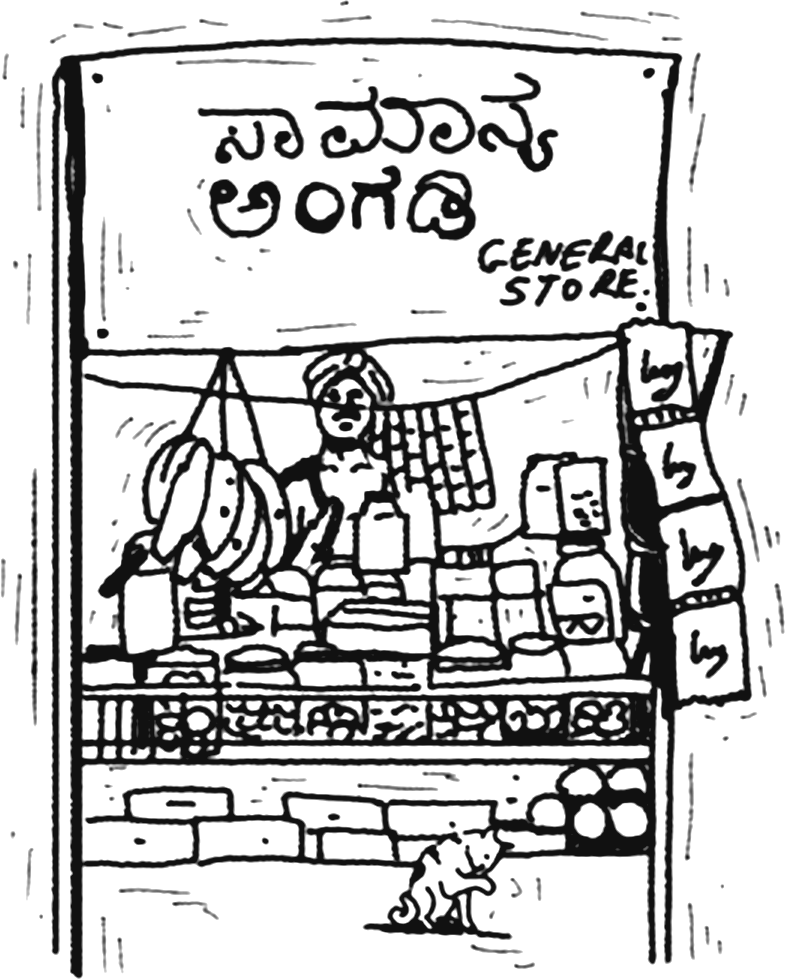
Art description: Drawings of Om beach, Kahani Paradise and a general store in Ankola
I’ll be honest. There isn’t much to do in Ankola, and the town doesn’t pretend otherwise. A few nondescript restaurants serve fish thalis; eat one, but nobody comes here for lunch. You come for the women of the Halakki tribe, settled in the villages between the highway and the sea, from Alageri towards Belekeri. Homes are still made of natural materials: mud walls washed with cow dung under roofs of thatch. The Halakki keep their history in song, passed from mother to daughter; Sukri Bommagowda won the Padma Shri for hers. But more than the song, it is the drape.
The sari is worn without a blouse, wrapped close and secured over one shoulder, with strands of local beads at the breast. Much has changed on this coast; the women cling to an old way of life. Go early, as the market forms. Children ride bicycles, women walk down to Belekeri Beach, and on special days they gather there and sing out to the sea.


Label: Om beach @ -3, 44, 24
Label: Kahani / Paradise @ 36, 3, 22
Haliyal, Karnataka
Tab: Halliyal
Anchor: haliyal
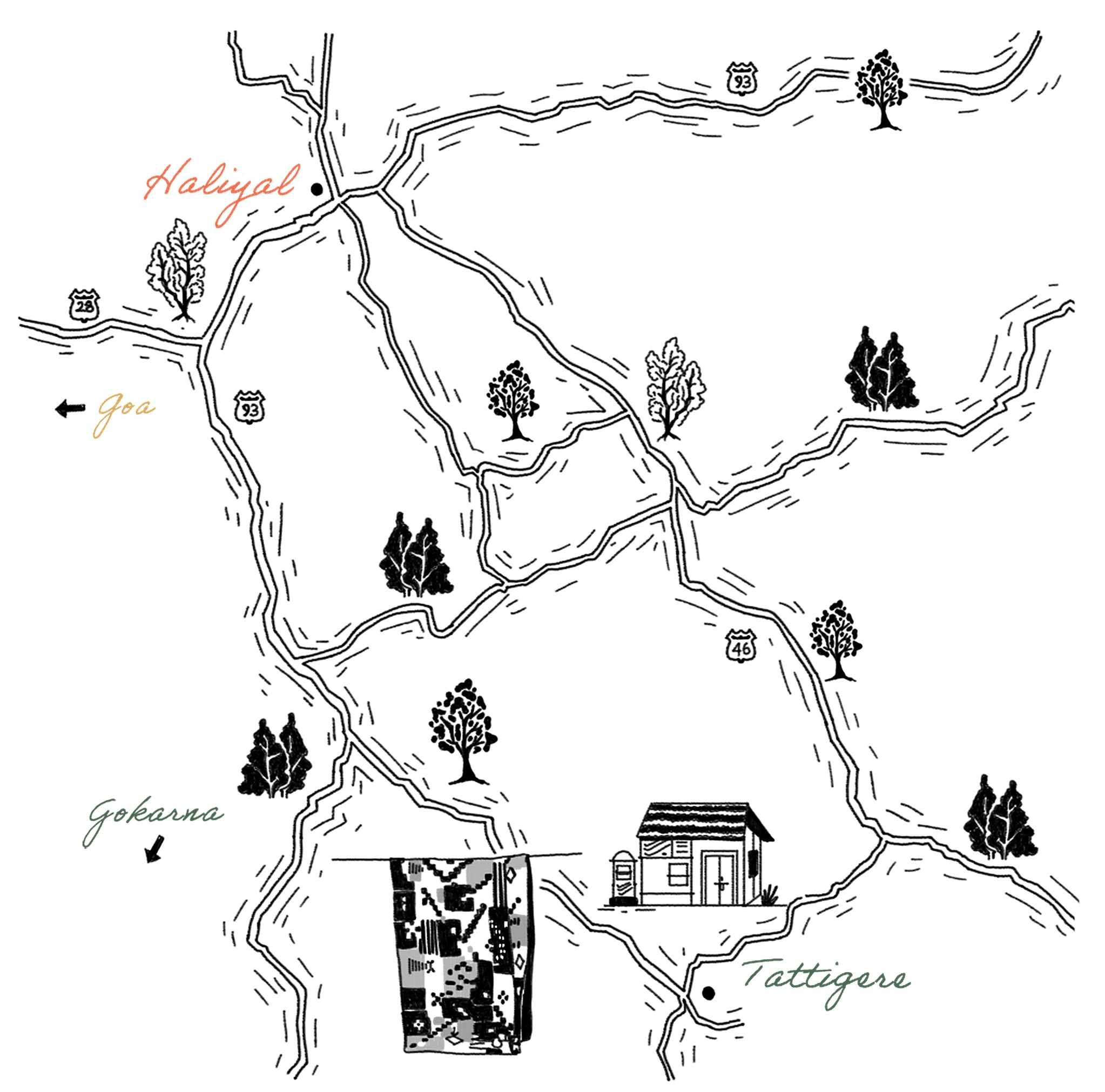
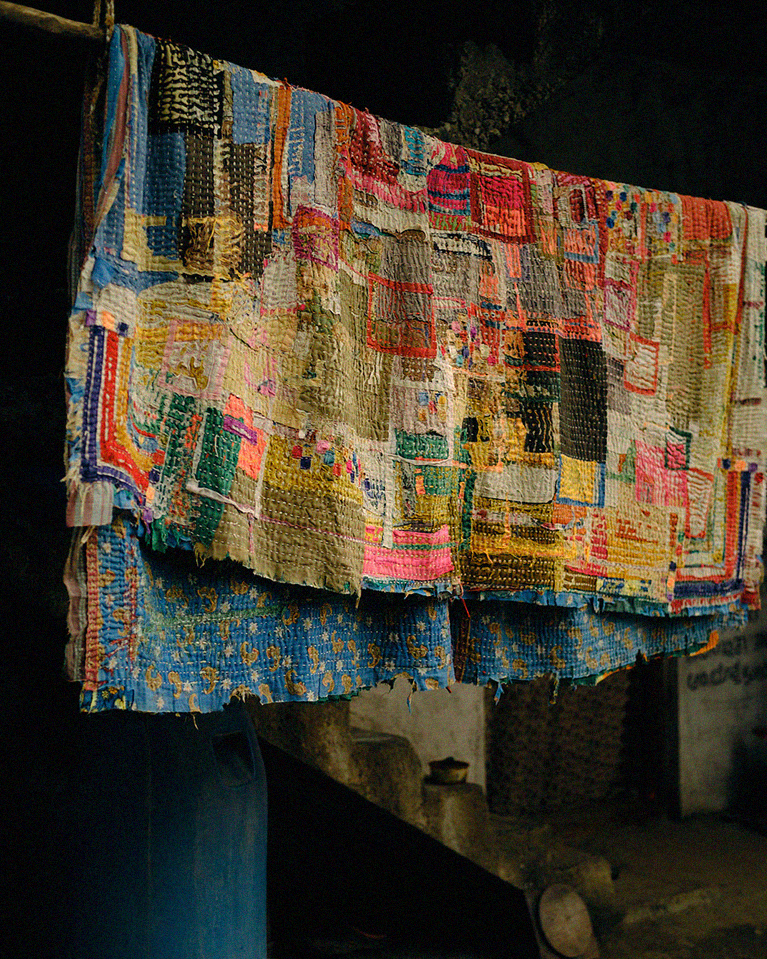
The third leg of our journey took us inwards into Karnataka. By then the contours of Issue III were very obvious. One component was documenting the Siddi community. It is believed that the Siddis were brought as slaves from Africa by the Portuguese. Husnebi, one of the leaders of the community, vehemently denies this. She leads a group of women who practice Kawandi, a form of quilting that has been passed down generations.
By now, if you’ve followed this journey, you know there has to be a road trip somewhere, only this time I wasn’t anticipating one. Husnebi told us to keep driving until we reached a post office. “Turn right after the post office,” she instructed.
After about thirty minutes of driving with no network and just tall trees for company, we began to question if there was a village at the end of this never ending road.
There was and we turned right in Haliyal.
Gallery
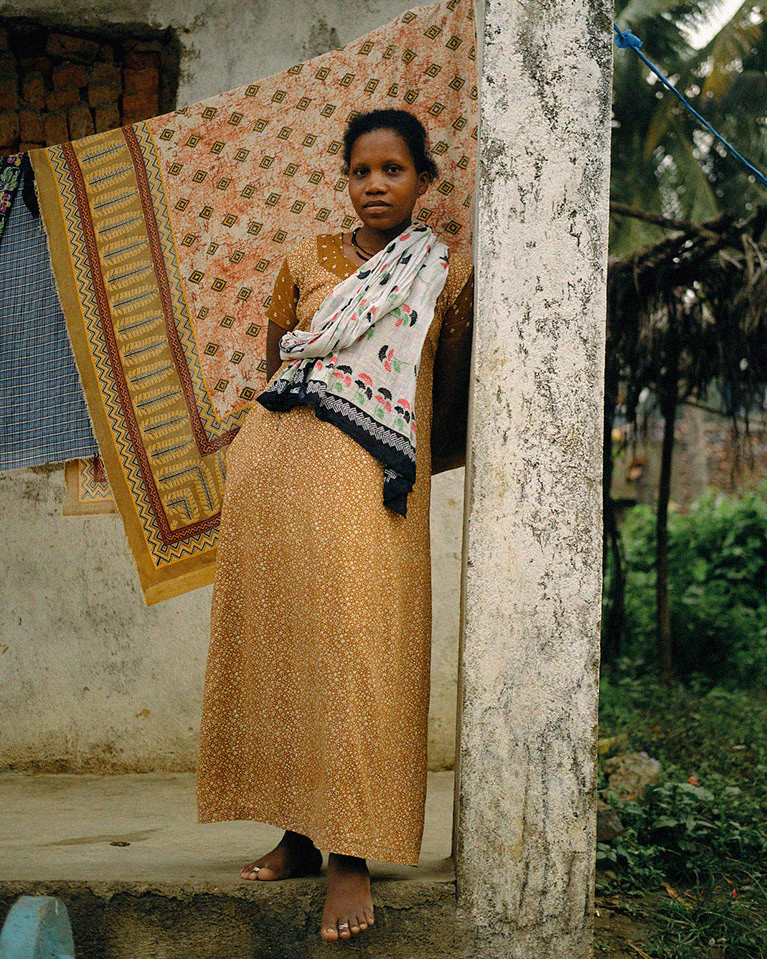
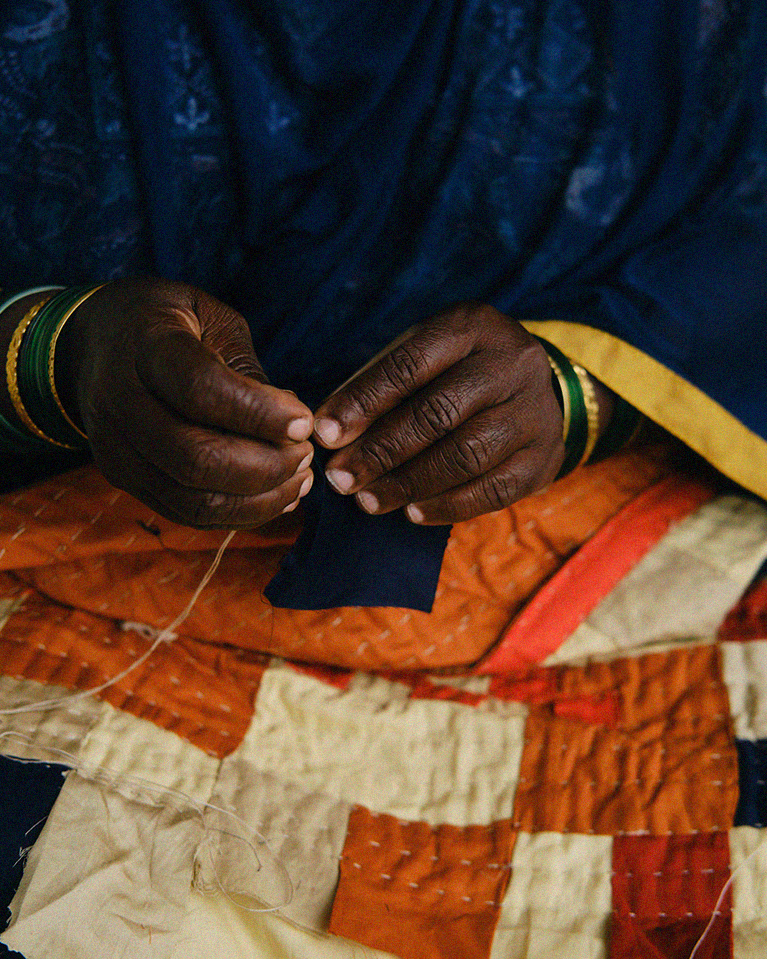
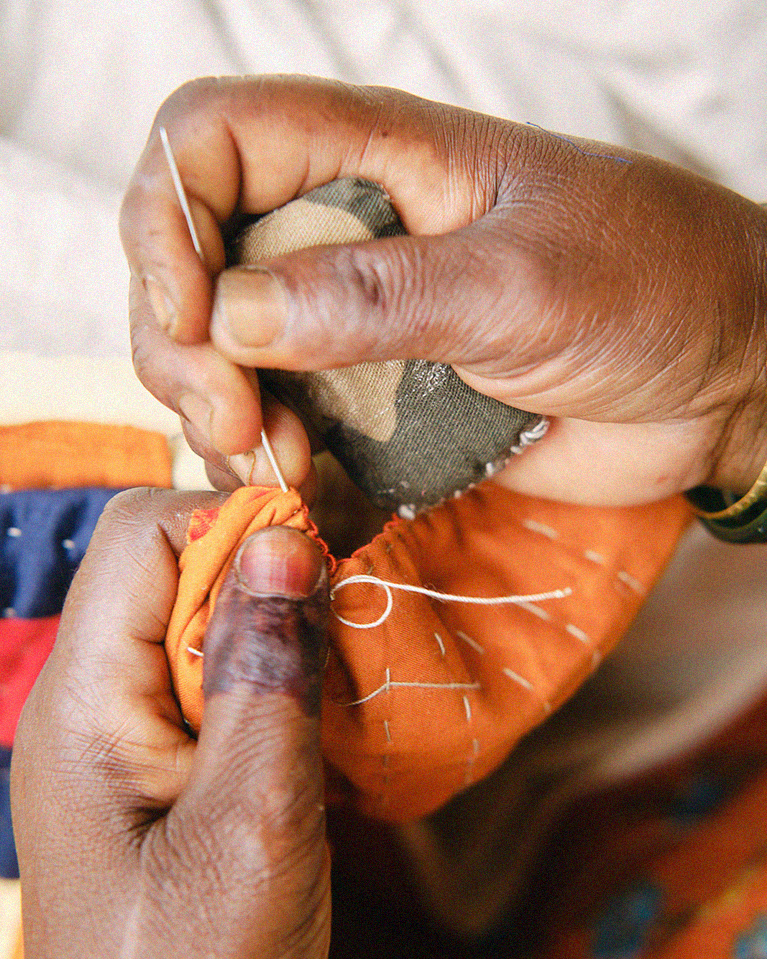
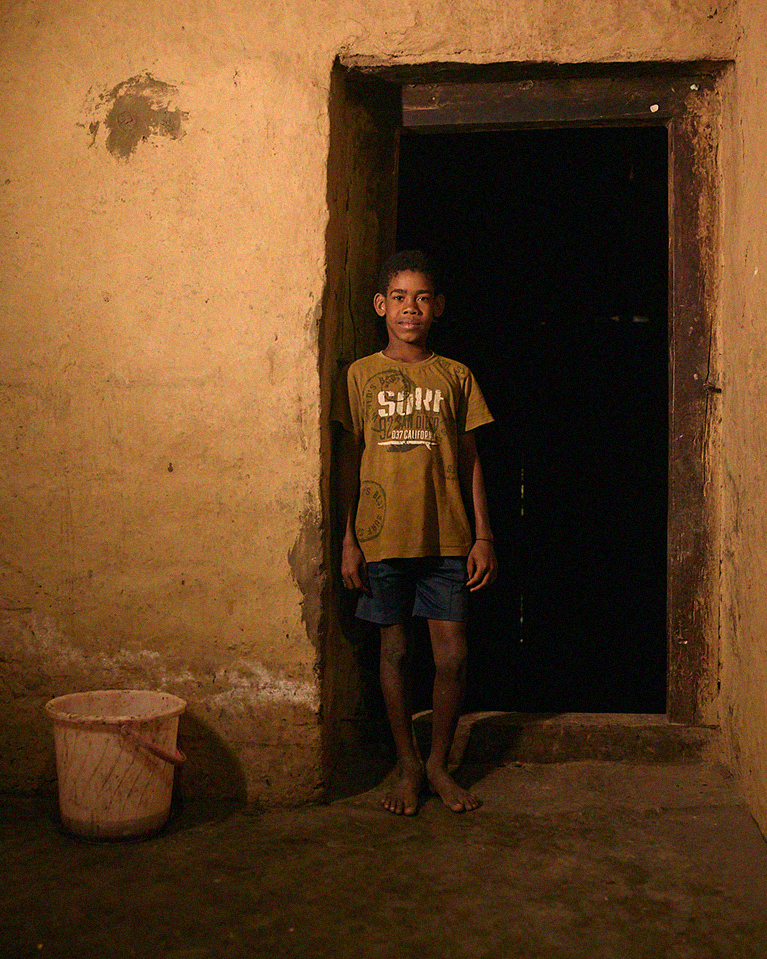
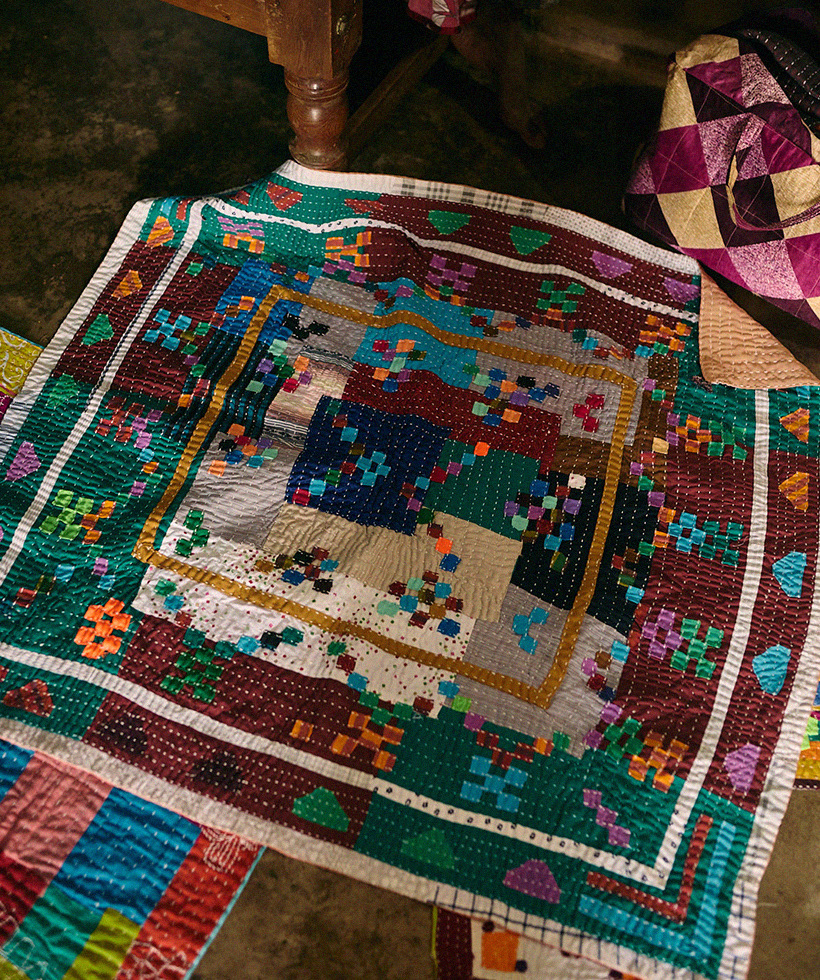
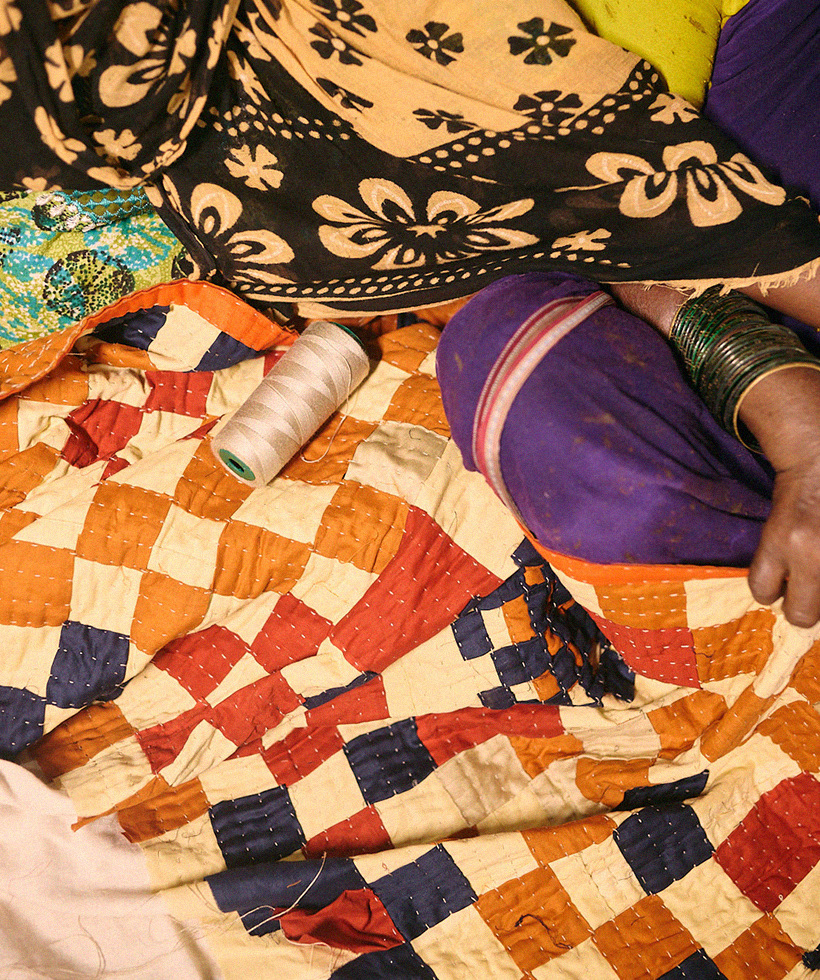
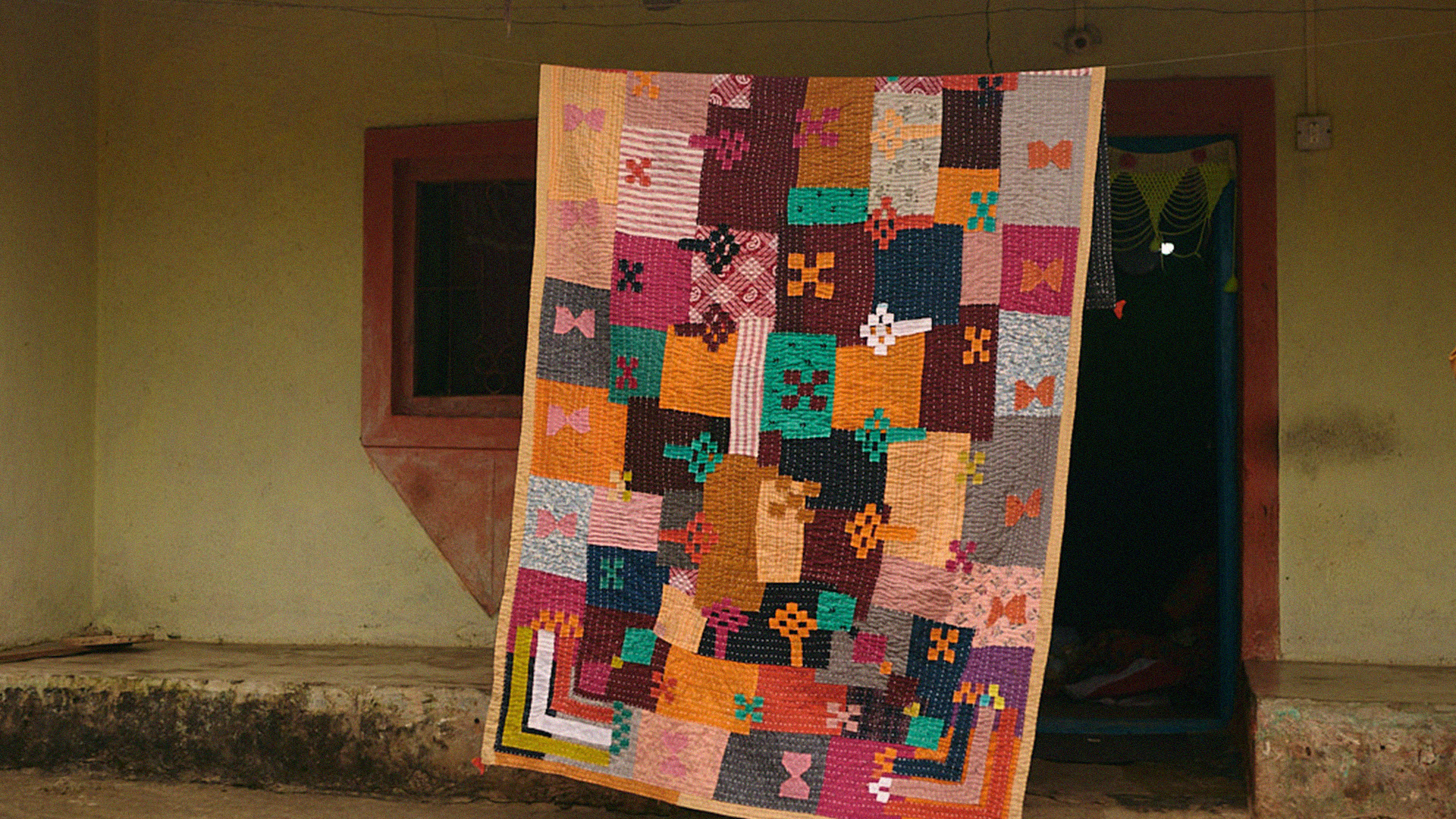
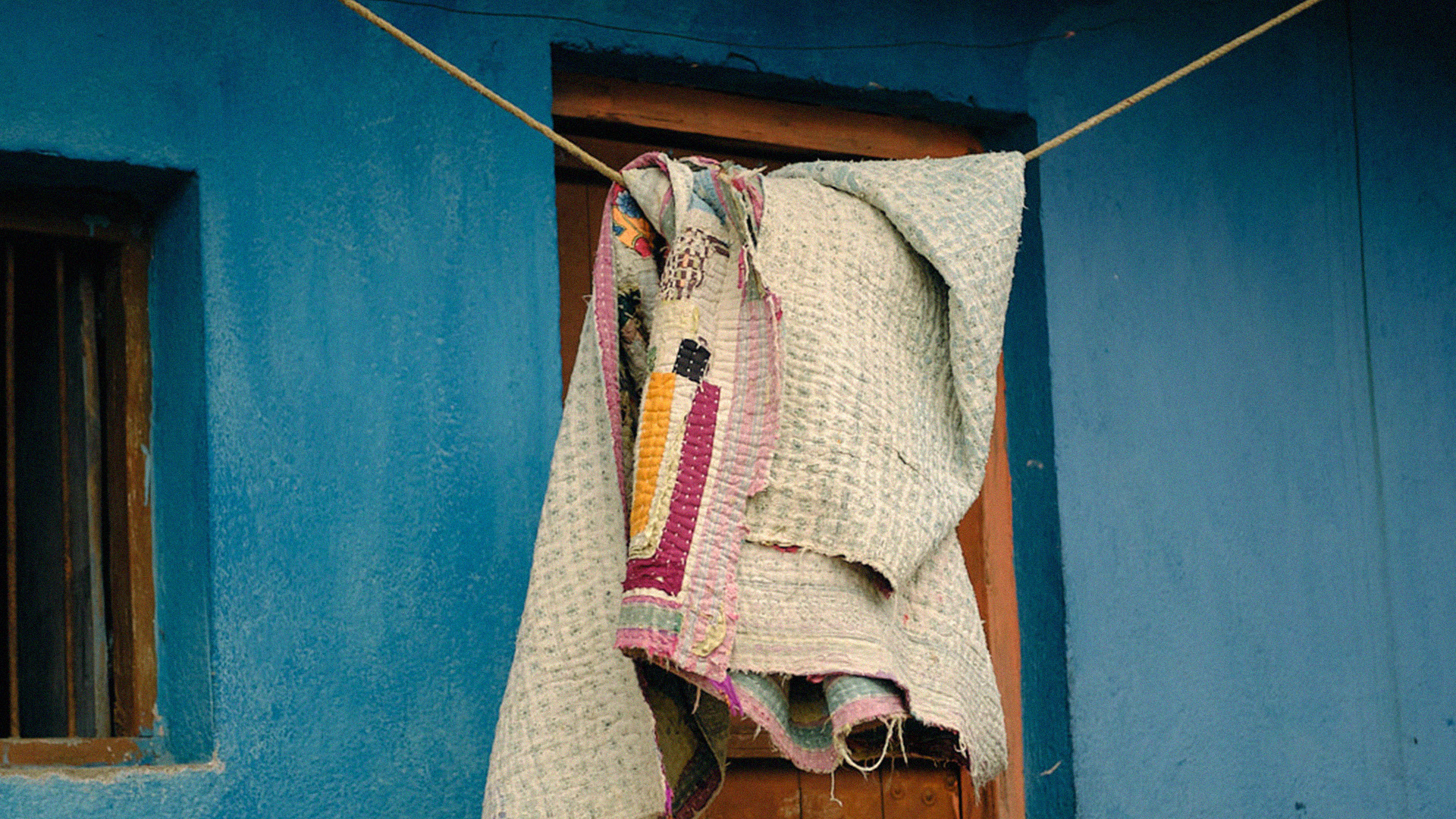
Haliyal is as quaint as it is charming, awash in pastel colours with quilts hanging on strings in the front porches. Life is lived indoors as much as it is lived outdoors. There is one small shop selling necessities and little else. The village is surrounded by fields and bicycles are the most common form of transportation. Women from the neighbouring houses brought their scraps to show us the craft. Someone brought a Congress flag, others brought wedding garments and kids’ clothes that they’d outgrown. If there was such a thing as community upcycling, this was it. Together they sat on Husnebi’s porch and quilted. It was a way for the community to come together and, though few believed it at first, also a means to make a living.
To get there, you can fly to Goa or Bangalore. The journey to Husnebi takes two hours and you can stay at a local guest house. For a two day trip, it is possible to stay locally with the artisan. However you get there, take the long way.
Quote
If there was such a thing as community upcycling, this was it.
Story
Link: /the-artisan-database#database
Link label: Explore the craft
In India, a form of needlework known as the kantha forms the basis of patchwork quilting. It was not a craft that thrived on the patronage of kings or local feudal lords, it was passed on from mother to daughter in quiet corners of their home.
In conversations about patchwork quilting in the Indian context, though, the Kawandi is rarely talked about. Kawandi—a form of patching old pieces of fabric, which often represent familial memories, to create a quilt—is an art form of the Siddi community, which traces its origins to East Africa. The community comprises people who came to India at least five centuries ago, as soldiers and merchants, or because they were enslaved by the Portuguese.
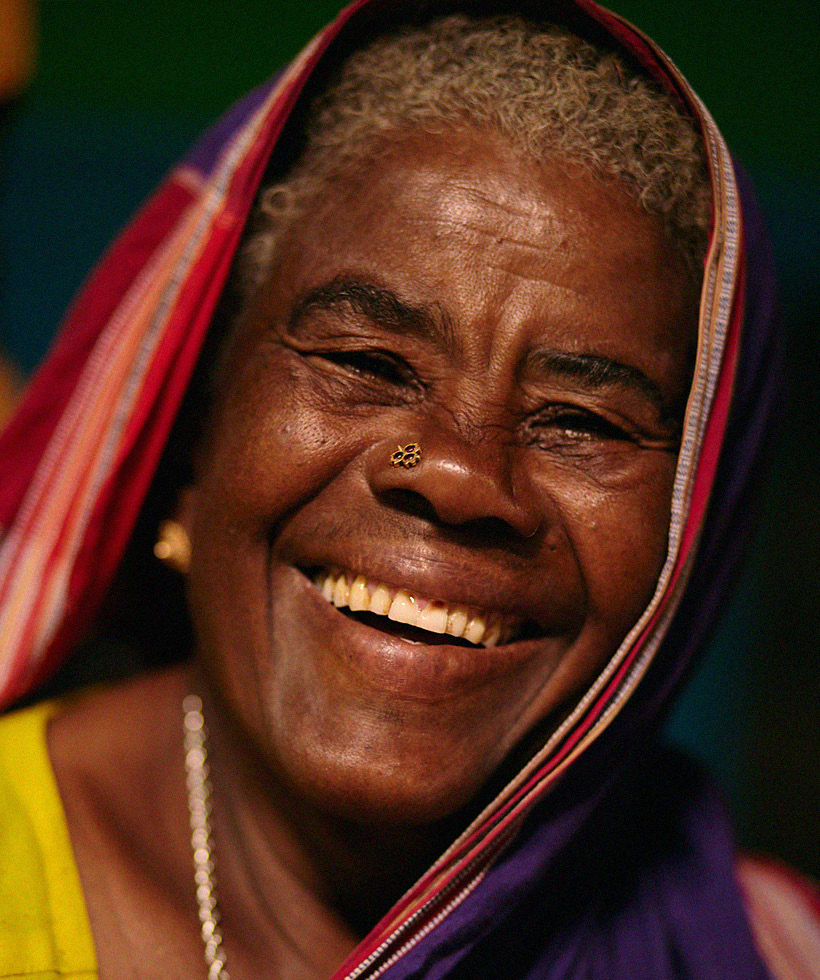
Hailing from the sea-side city of Karwar, Husensabi Sattarasab Jamadar Siddi has been passing on the knowledge of Kawandi to young students in Bengaluru. Husensabi learnt the craft from her mother, who learnt it from her mother, and so it went, ad infinitum. The precise origins of the practice have been lost across generations. But even today, Husensabi and her mother exchange notes on Kawandi, living and working together.
Stay
Anchor: stay-tattigere
Location: TATTIGERE
Name: Stay with the artisan
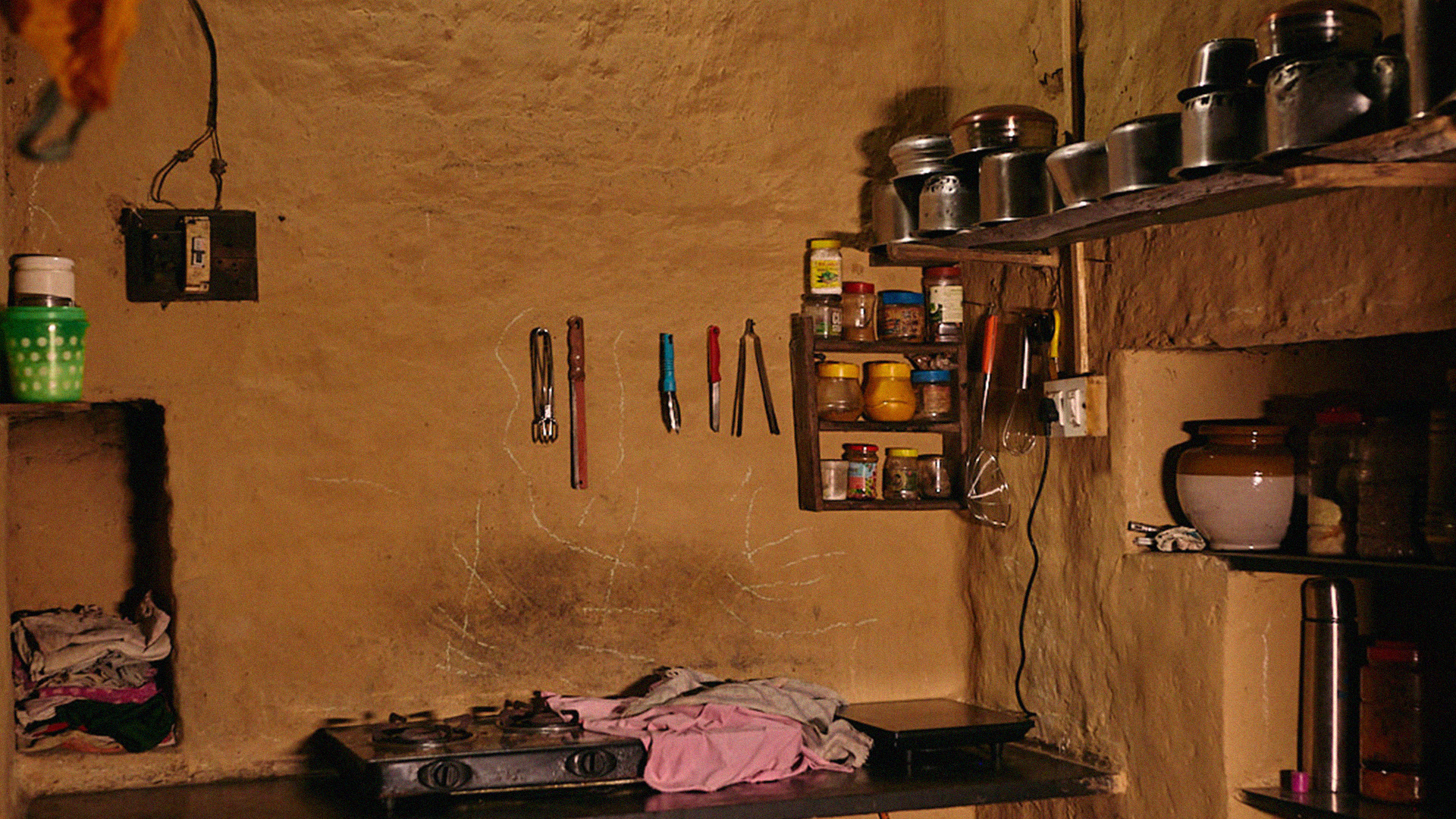
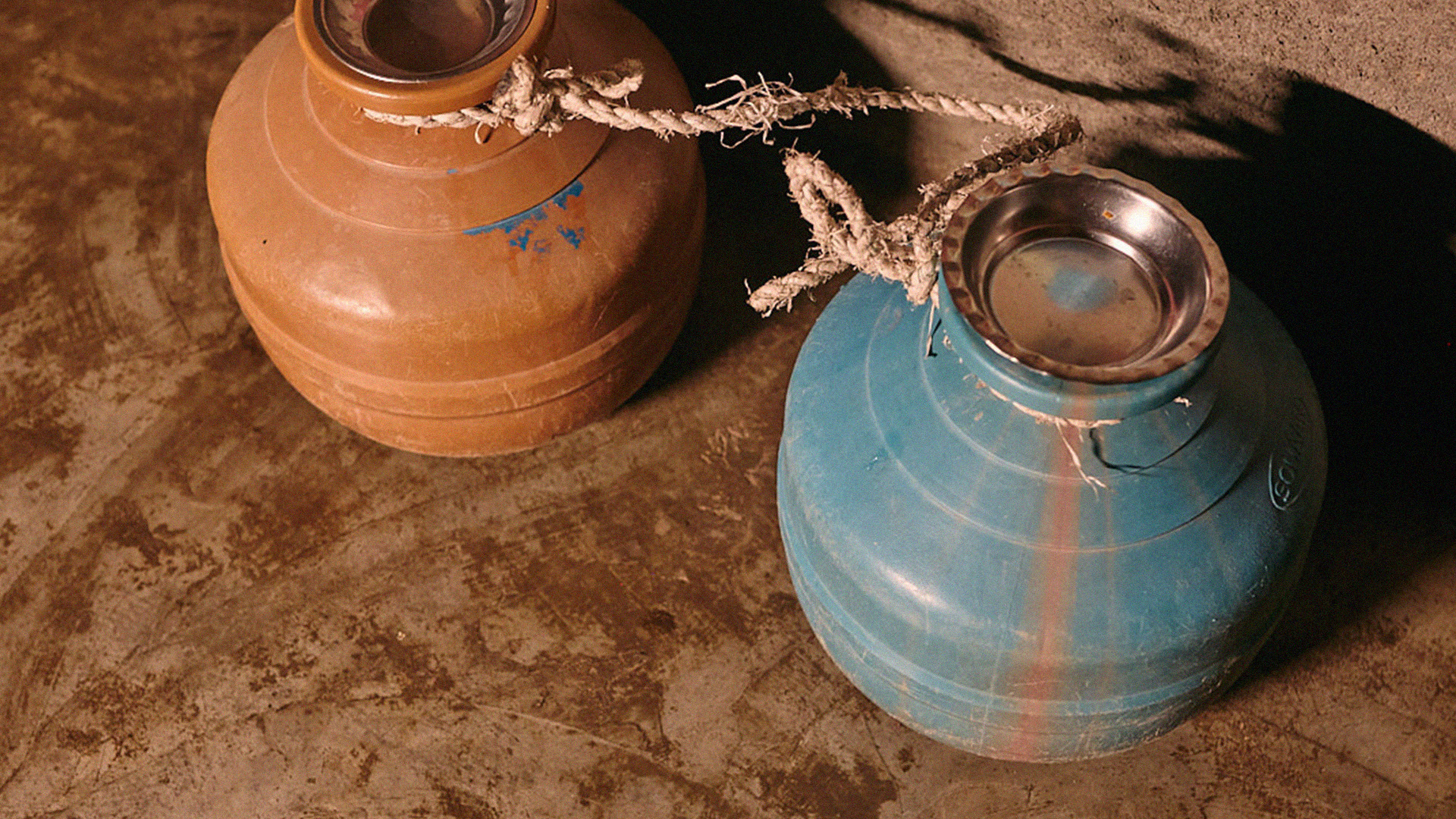
Tucked in a corner of the village, abutting a patch of rice fields, is a little guesthouse the community elders keep for visitors. There is a small kitchen and a very basic bathroom, but neighbours pop in often, bringing more than just breakfast, lunch and dinner. The sense of community is abundant, as is the laughter. There is no AC, but the air is clean. Phone signal is patchy in parts of the village.

Hi!
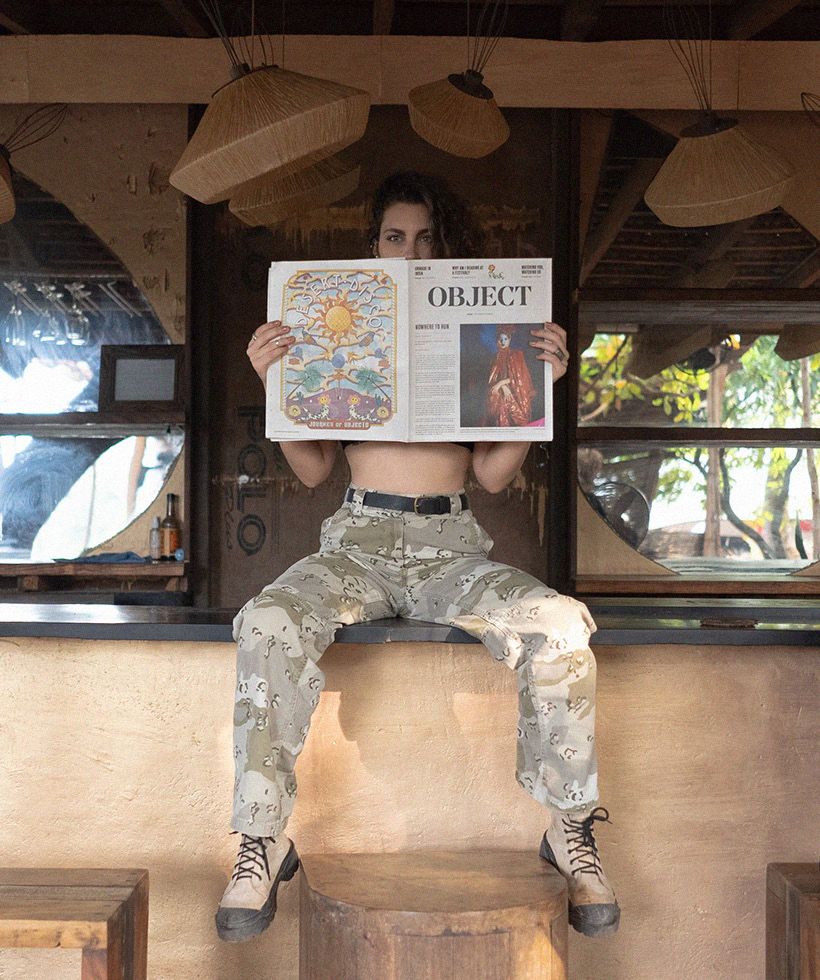
My name is Alia and I’m the chief reporter (and editor) at Object. Designations aside, I’d like to think of myself as a reporter who travels and a traveller who reports. I arrived in India as a backpacker from Nepal through Siliguri, West Bengal. I realised just how vast India is when I took a train ride from Bombay to Banaras. It takes two and a half days and way too many samosas to complete that journey.
These days I find myself in a car more often than a train. If I can, I try to avoid air travel because I’m a sucker for a good cup of chai and some local farsan when I’m cruising through India’s craft belts.
The stories and people the road promises from then to now, have been the guiding spirits behind what we do at Object.