Ansari Family
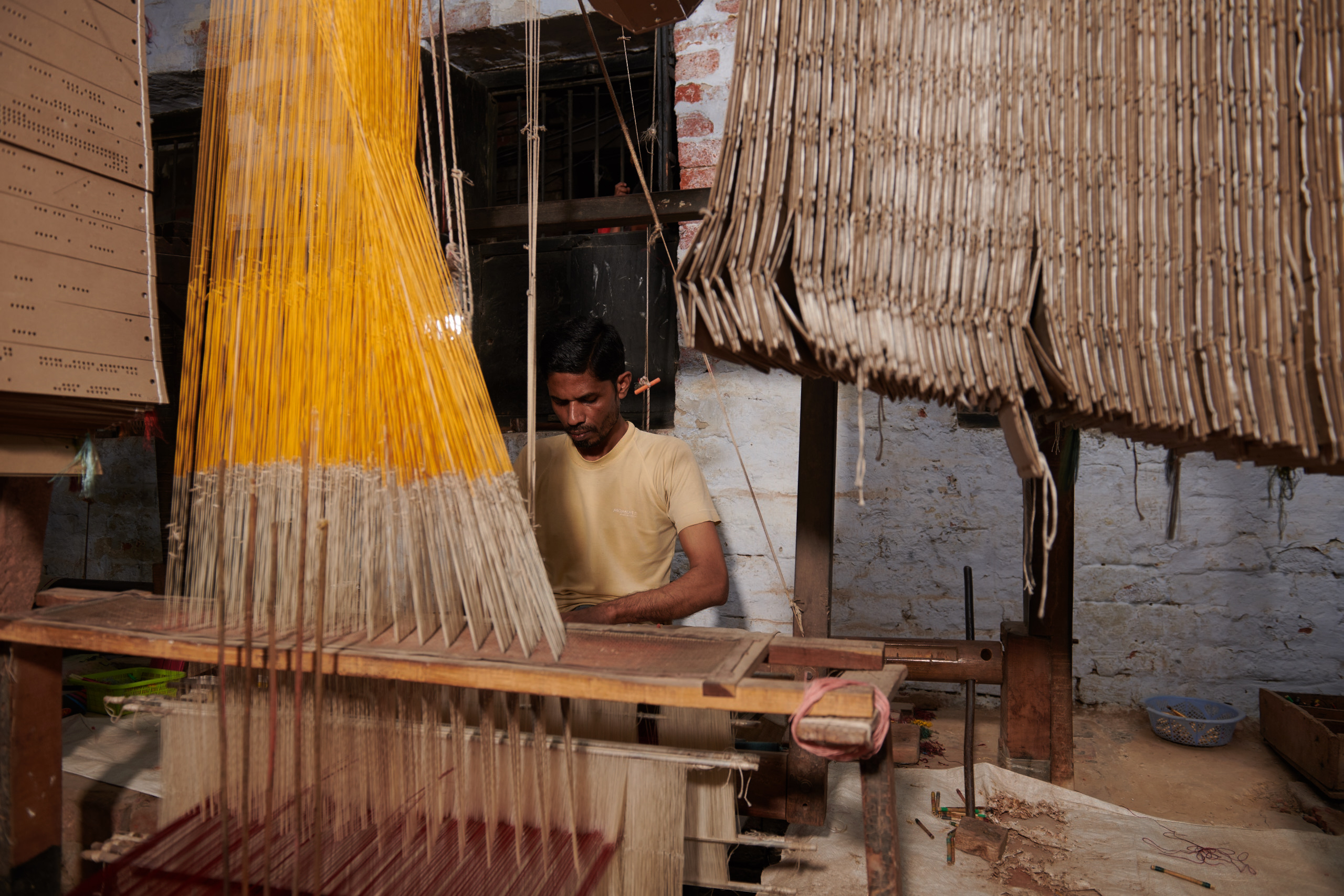
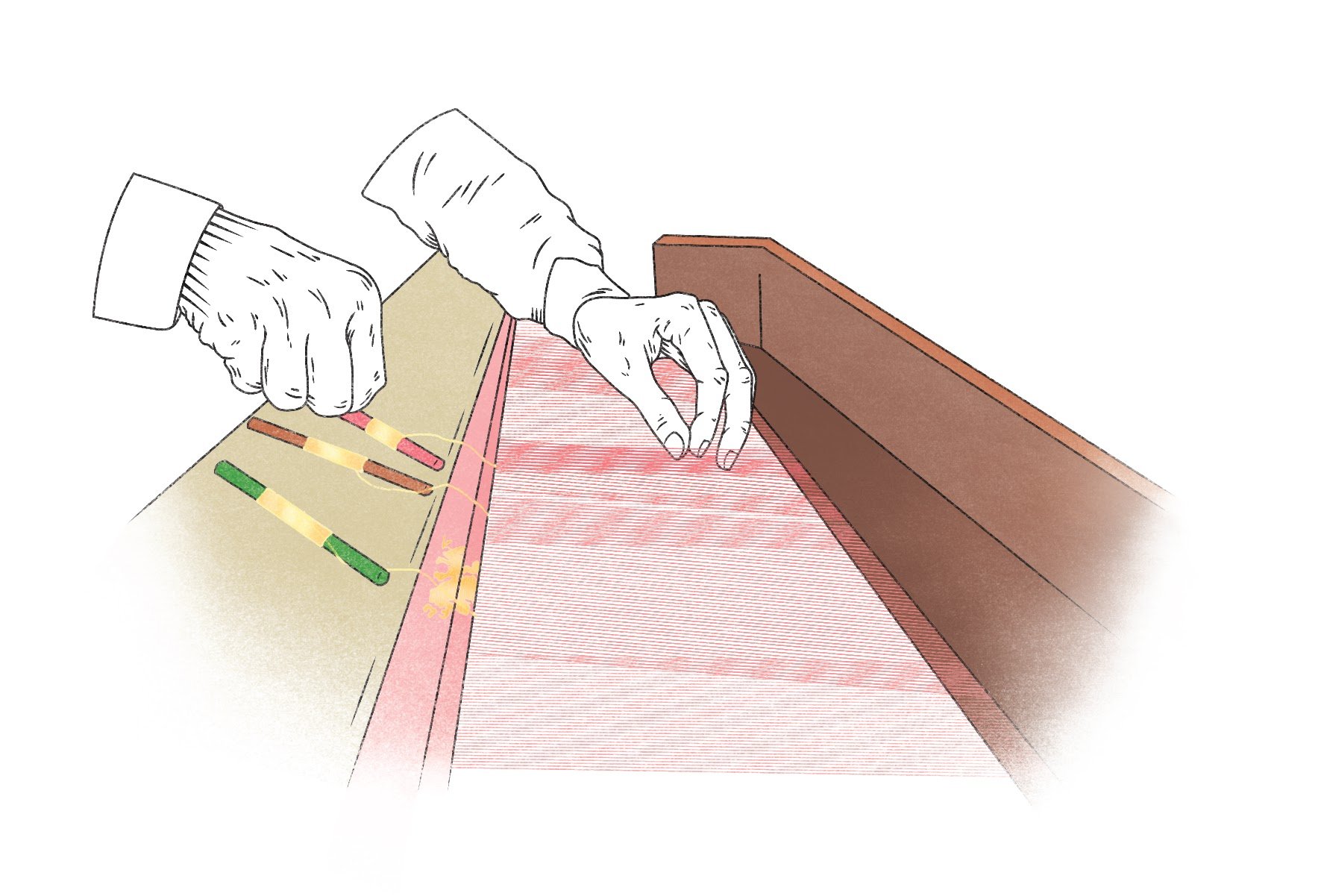
In the summer of 1940, Haji Moinuddin Ansari, then a young weaver in Peeli Kothi, packed a suitcase of silk and took the train to Kalimpong. He wanted to sell to buyers himself and cut out the middlemen, and he kept going back every year for sixteen years. What he carried was gyasar, a silk brocade woven with gold and silver and patterned with dragons, clouds and lotuses. Marwari traders had asked the weavers of Banaras to copy it from China, and the Ansaris met the demand so well that their cloth reached monasteries from Leh to Lhasa. His son Haseen says Moinuddin called it the fabric of peace. When Tibet closed in 1959, the trade stopped and most weavers turned to saris. Moinuddin kept weaving and bought up gyasar wherever he could find it, against everyone's advice. When the first power loom arrived on the lane in the late seventies, he warned his sons it would ruin their hands and sent them back to kadhua, a technique no machine can copy. Haseen went on to study with Pupul Jayakar, and the family wove saris for Martand Singh's Vishwakarma exhibitions. Today the Ansaris still weave gyasar, with Haseen's son Nasim, while fakes from Surat fill the market.
Craft category: Weaving
Local name: Gyasar
Technique: Gyasar; kadhua; tanchoi
Material(s): Mulberry silk
Objects: Textile; brocade; sari
Signature: Sari
Craft status: Stable
GI tag:
Years practising:
Generations: Five in the craft, two practising now
---
Open to visits: Yes, but not around festivals, when they are busy
Can teach workshops?: No
Best season to visit: Any time except around festivals, when they are busy
Workshop space available?: No, but they can set up their looms and let people watch
Facilities on site: Washroom, loom set-up
Services offered: Weaving
Nearest town: Varanasi
Taluk/block: Varanasi Sadar
Nearest airport/ station: Lal Bahadur Shastri International Airport, Varanasi (45 minutes away)
---
Awards:
- National award
Gender: Man
Organisation: No
Age band: 45–60
Organisation type: Cluster
Education:
Craft cluster: Banaras, Pilikothi
Primary trade: Weaving
Community: No particular community
Other trades: No
Key people: Haji Moinuddin Ansari; Haji Haseen Mohammad; Nasim Ahmed; Naim Ahmad (Ansari family)
Artisan type: Karkhana
Local festivals/events: Eid, Bakri Eid, Muharram
History: A family practice 100 to 200 years old. By family lore, the Ansaris began weaving gyasar for Buddhist and Tibetan buyers around 1936, after Marwari traders asked Banaras weavers to copy the Chinese brocade. Many families have given the craft up, and now the older weavers train a new generation of weavers.
Taught by: Their father or grandfather, who was a weaver
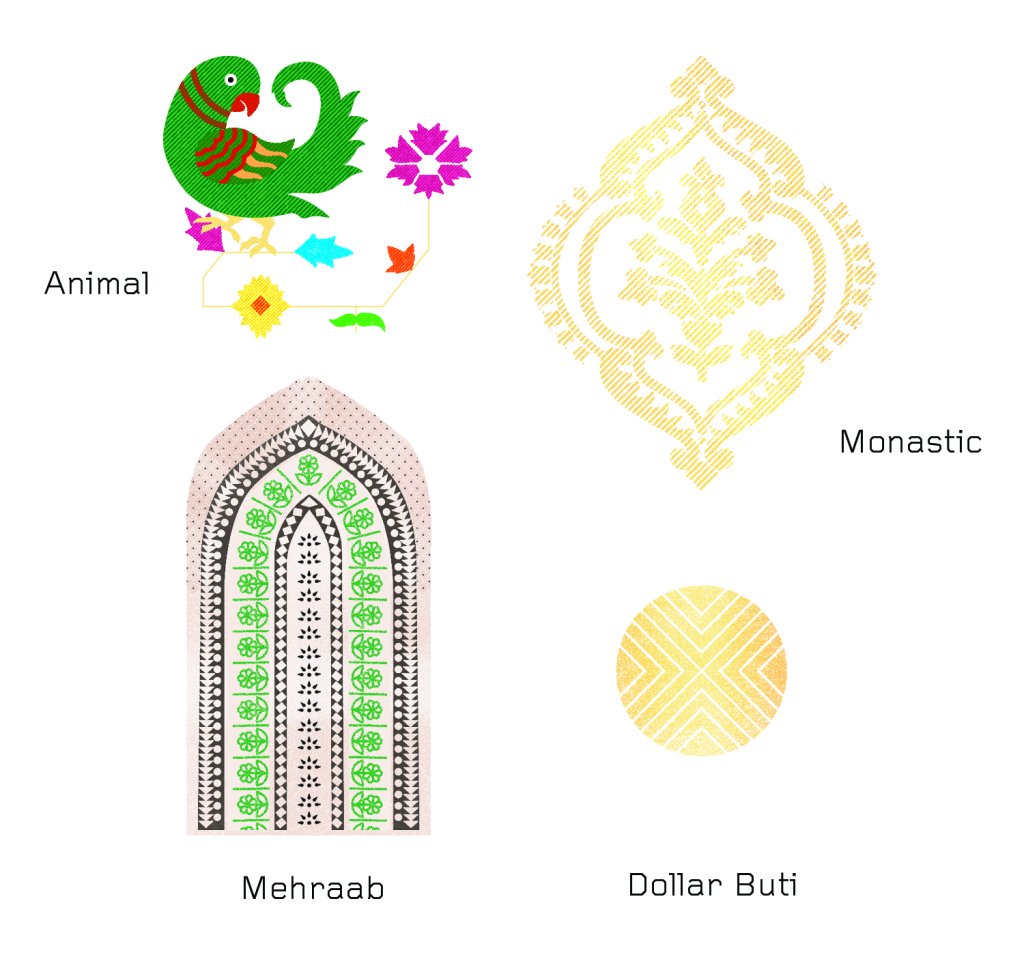
Motifs/patterns and meanings: Dragon for strength and enlightenment; clouds for celestial mobility; lotus for purity of mind and body; gold-and-silver mina zari
Tools used: Jacquard pit loom
Related crafts: No
Equipment needed: N/A
Other crafts engaged in: No
Youth/ apprentices: Yes
Loom/main tool last serviced: Loom (different looms for different weaves)
What makes their work different: The kadhua technique is so intricate that no power loom can copy it.
What's hard about it: Training new weavers. Most of the youth is drawn to powerlooms and will leave if pushed too hard during training. The difficult weaves and fixing the machine take more effort and time to learn and execute, so they are in danger of being lost to time. Fakes from Surat, where silk is replaced with polyester and gold plastic, are another threat.
No. of looms/workstations: More than 100
No. of people working: 150
No. of women artisans: None on the looms; the weavers' wives fill bobbins and help set up
Family vs hired: Both
Organisation capacity: 150
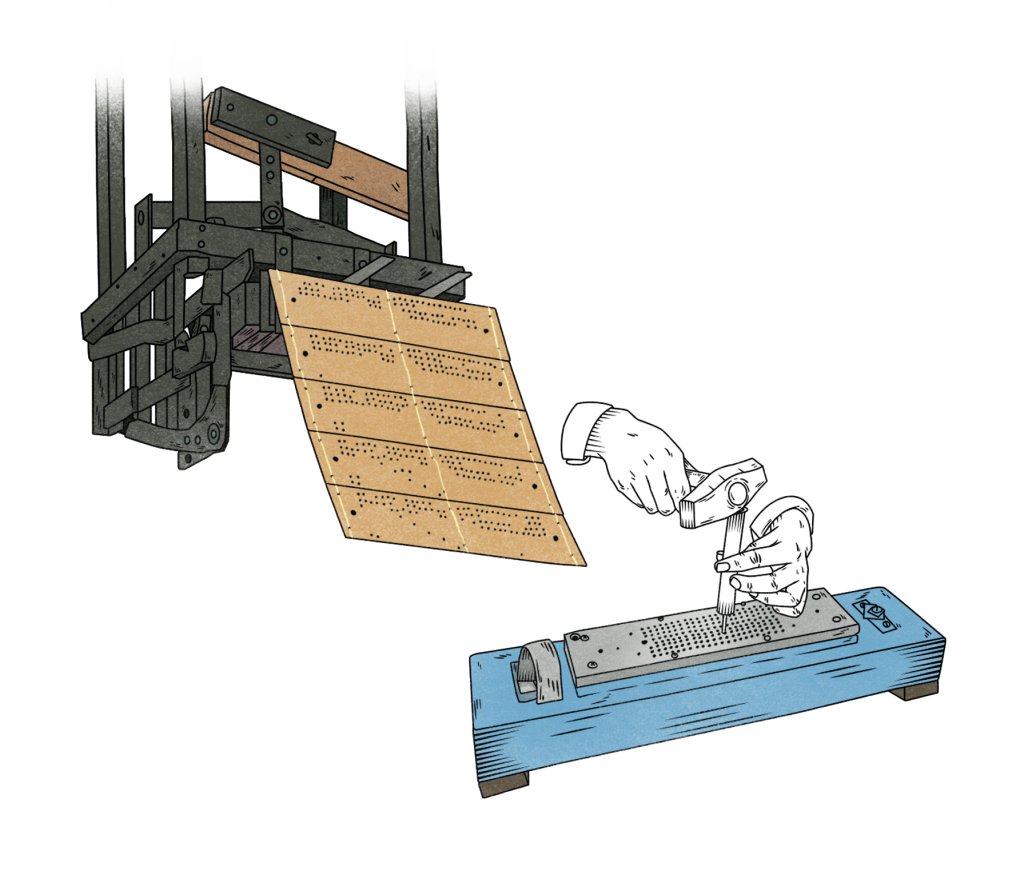
Specialised roles: Graph making and loom setting are done by specialists, not the weavers: one graph artist and one or two loom setters
Pieces per month: 100
Lead time: 10 days to more than a month, depending on the sari
Time to make one piece: 10 days to more than a month, depending on the sari
Price range: Standard saris ₹10,000 to ₹36,000; pure zari saris up to ₹2.75 lakh
Sells directly: Yes
Takes commissions: Yes
Customisation: Yes
Wholesale: Yes
Export: Yes
Middlemen: No
Haats/melas: No
Where they sell now: Directly to buyers
Fabric of Peace
In the summer of 1940, Haji Moinuddin Ansari, then a young weaver in Peeli Kothi, packed a suitcase of silk and took the train to Kalimpong. He wanted to sell to buyers himself and cut out the middlemen, and he kept going back every year for sixteen years. What he carried was gyasar, a silk brocade woven with gold and silver and patterned with dragons, clouds and lotuses. Marwari traders had asked the weavers of Banaras to copy it from China, and the Ansaris met the demand so well that their cloth reached monasteries from Leh to Lhasa. His son Haseen says Moinuddin called it the fabric of peace. When Tibet closed in 1959, the trade stopped and most weavers turned to saris. Moinuddin kept weaving and bought up gyasar wherever he could find it, against everyone's advice. When the first power loom arrived on the lane in the late seventies, he warned his sons it would ruin their hands and sent them back to kadhua, a technique no machine can copy. Haseen went on to study with Pupul Jayakar, and the family wove saris for Martand Singh's Vishwakarma exhibitions. Today the Ansaris still weave gyasar, with Haseen's son Nasim, while fakes from Surat fill the market.
Read more