Chandel Family

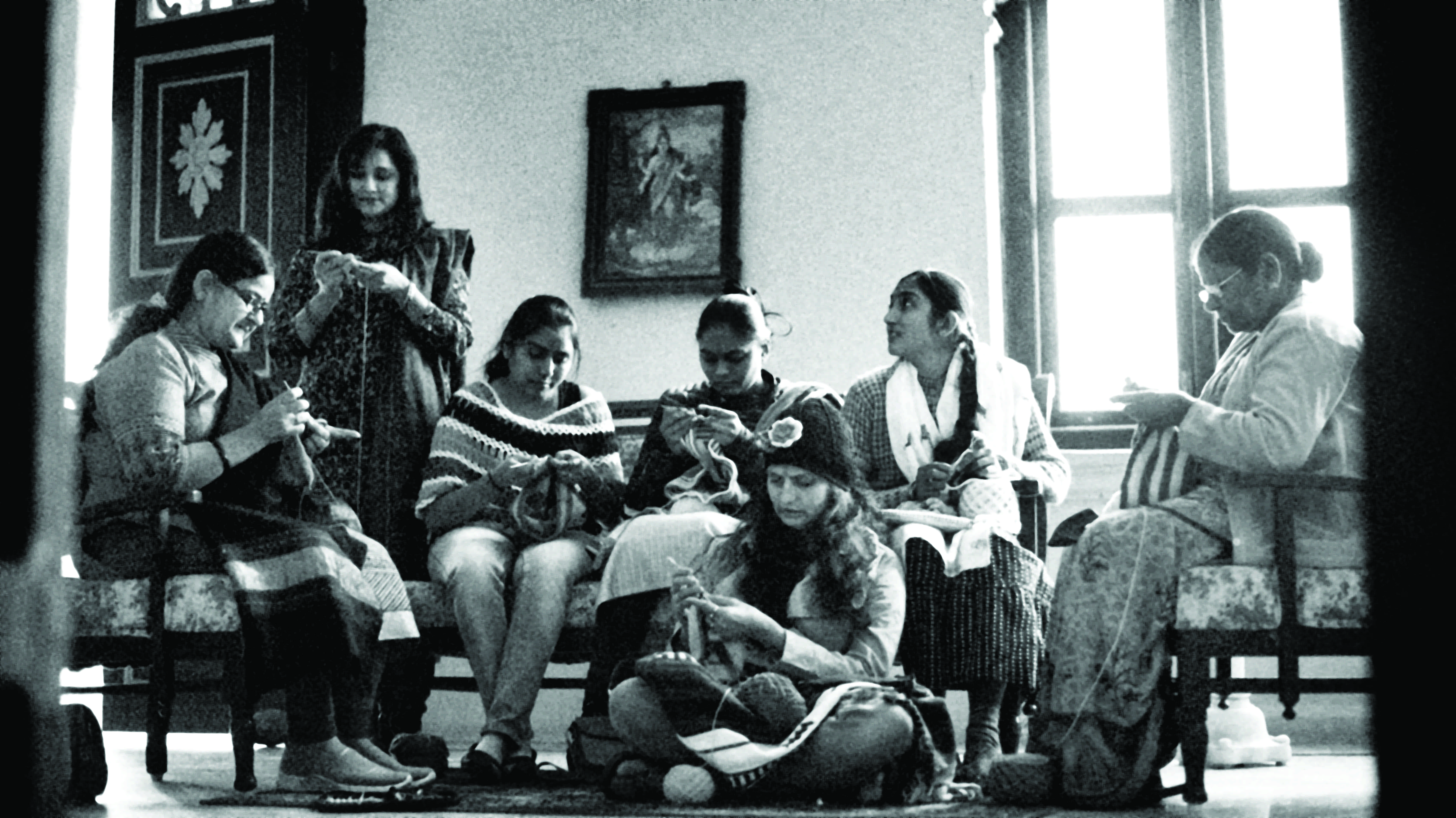
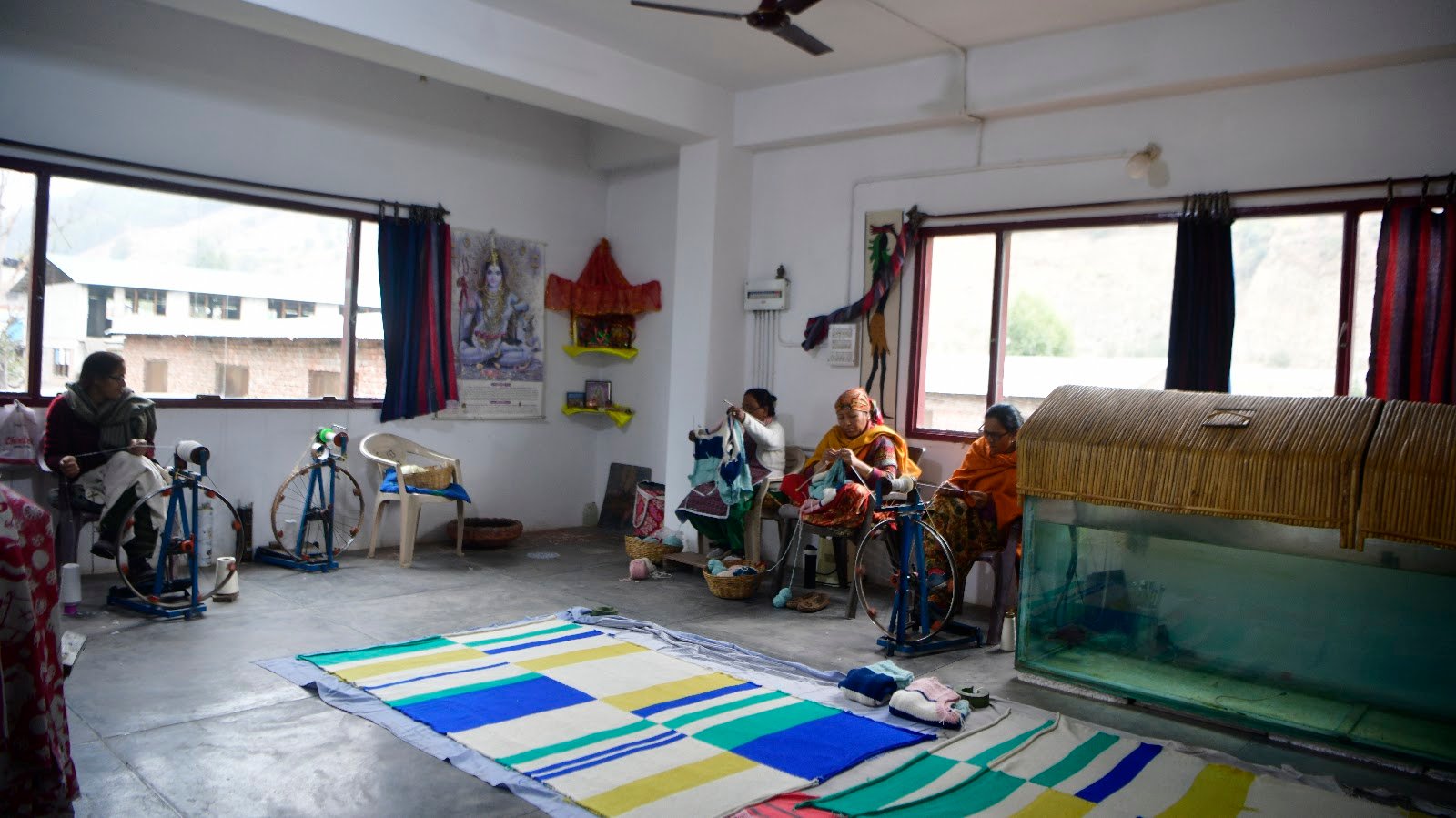
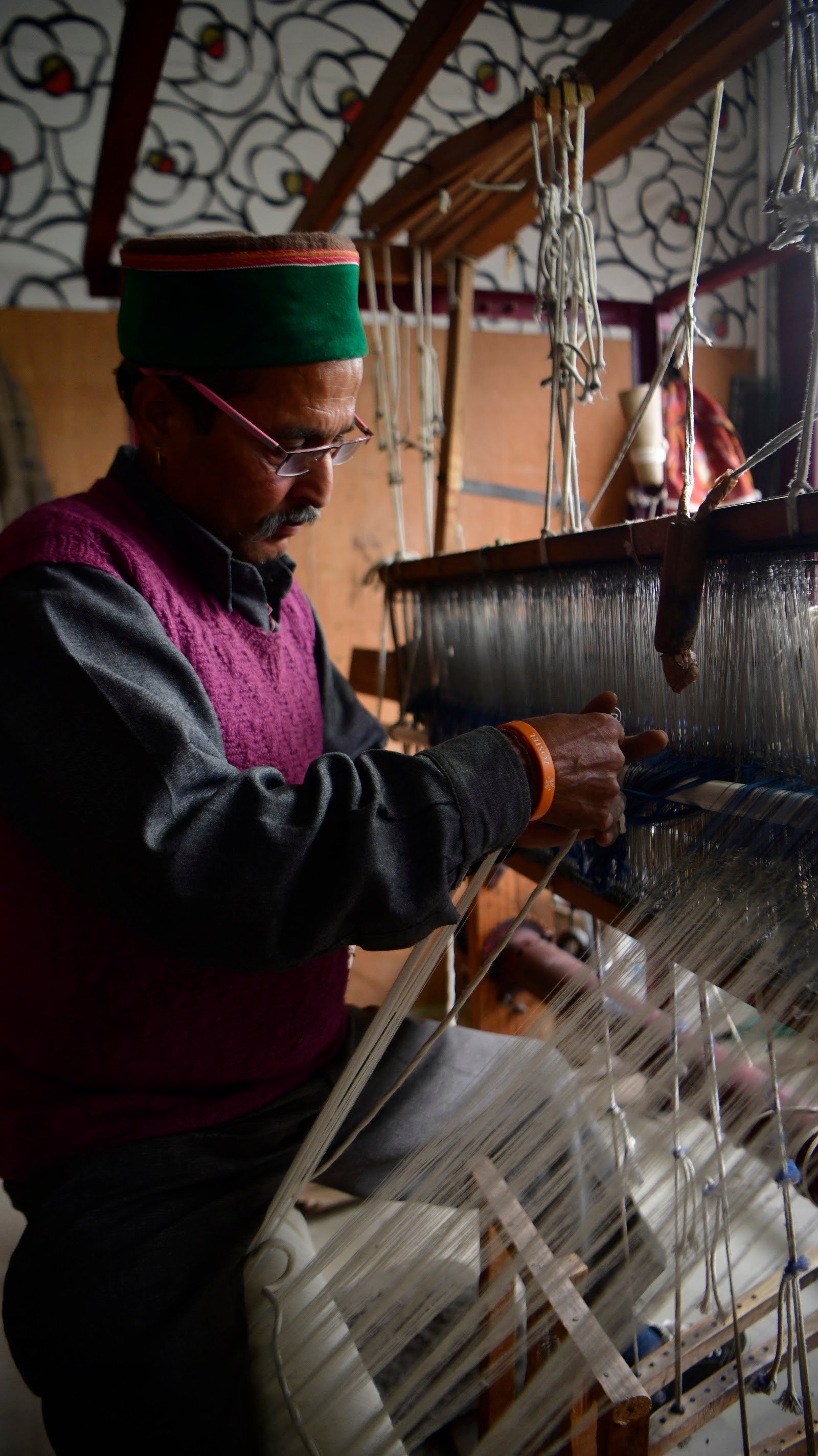
Kullu Karishma started with rabbits. Dr. Kamal Kishore Chandel, a veterinarian, set up an Angora rabbit farm in the eighties, and when Europe began banning Angora imports in the nineties, he stopped selling the wool and founded a handcrafted clothing brand from it in 1991. His sons Kanishk and Kartik now run it from a three-storey workshop in Kullu, where everything happens under one roof: fleece is dyed, hand-spun, knitted, washed, set and tailored, and the dyes include local indigo, manjistha, walnut, pomegranate and eucalyptus. Men take the looms while women spin, knit and crochet, and a single artisan can spend a week hand-knitting one sweater. Alongside Angora, they now work with Australian merino and Mongolian cashmere, making cable-knit beanies, merino sweaters, scarves, throws and felt from the offcuts. The enterprise sells only to other labels, so its pieces usually reach the world under someone else’s name. They skip melas and exhibitions altogether, but they open the workshop to students for residencies.
Craft category: Weaving, knitting and spinning
Local name: Hand-spinning, hand-weaving, hand-knitting, hand-crochet
Technique: Hand spinning, hand weaving, hand knitting, hand crochet; natural and commercial dyeing, cable knitting, hand felting, washing and setting
Material(s): Australian Merino wool, Angora wool, Mongolian cashmere
Objects: Sweaters, beanies, scarves, felts, woven fabrics and garments
Signature: Cable-knit beanies, merino sweaters, in-house felted wool
Craft status: Stable
GI tag: No
Years practising: Since 1998
Generations: Two generations
---
Open to visits: Yes, with prior notice
Can teach workshops?: Yes, 5, 10 or 15-day programmes for groups of up to 15–20
Best season to visit: May to June
Workshop space available?: Yes, three-storey workshop
Nearest town: Kullu
Nearest airport/ station: Bhuntar Airport (about 4.5 km); Chandigarh Railway Station
---
Awards:
- Woolmark Handloom Day certificate
Gender: Family enterprise run by Kanishk and Kartik Chandel and their mother
Organisation: Kullu Karishma
Age band:
Organisation type: Family-owned enterprise
Education: Higher education and design training
Craft cluster: Kullu Valley
Primary trade: Textile and knitwear
Community: Mohal village artisans
Other trades: Craft education and student residencies
Key people: Kanishk Chandel (production); Kartik Chandel (marketing); their mother (knitting supervisor)
Artisan type: Enterprise
Local events: Kullu Dussehra; Holi; Diwali; local melas
History: In the early 1800s, weavers from Rupa village in Kinnaur were displaced to the Kullu valley. Until then, Kullu wove simple plaids; the villagers took on the newcomers' bolder, more detailed patterns, which over time changed in size and detail. Kullu Karishma began with Dr. Kamal Kishore Chandel, a veterinarian who kept Angora rabbits from the eighties. When Europe began banning Angora imports in the nineties, he turned the wool into a handcrafted clothing brand. The brand has since added pashmina, cashmere and merino to angora.
Taught by: Family, master local craftspeople and design training
Motifs/patterns and meanings: Geometric weaves: herringbone, diamond, half-diamond and twill; hand-picked Kullu borders (patti)
Tools used: Hand-spinning charkhas and wheels, handlooms, knitting needles, crochet hooks, washing and setting vats
Related crafts: Wool spinning, felting, fibre blending, tailoring
Equipment needed: Ongoing upkeep of spinning wheels, looms and finishing gear
Other crafts engaged in: Felt made from production offcuts
Youth/ apprentices: Local apprentices are trained over six months
Loom/main tool last serviced: Serviced in-house; knitting machines once or twice a year
What makes their work different: Everything happens in-house, from dyeing raw fleece and hand-spinning to knitting, washing and tailoring, using imported Australian merino and certified Mongolian cashmere.
What's hard about it: Coordinating many stages under one roof, and keeping gauge and tension even across many hand-knitters
No. of looms/workstations: Spread across three floors
No. of people working: 15 to 30, depending on the work
No. of women artisans: About 15
Family vs hired: Both
Pieces per month: About 30 to 40 sweaters
Lead time: 1 to 2 weeks for raw cashmere; production depends on the design
Time to make one piece: A simple cap takes at least a full day; a hand-knitted sweater about a week
How it is sold: Business to business, to other labels
Takes commissions: Yes
Customisation: Yes, within stock fibre colours
Wholesale: Yes
Export: Yes
Middlemen: No
Haats/melas: No
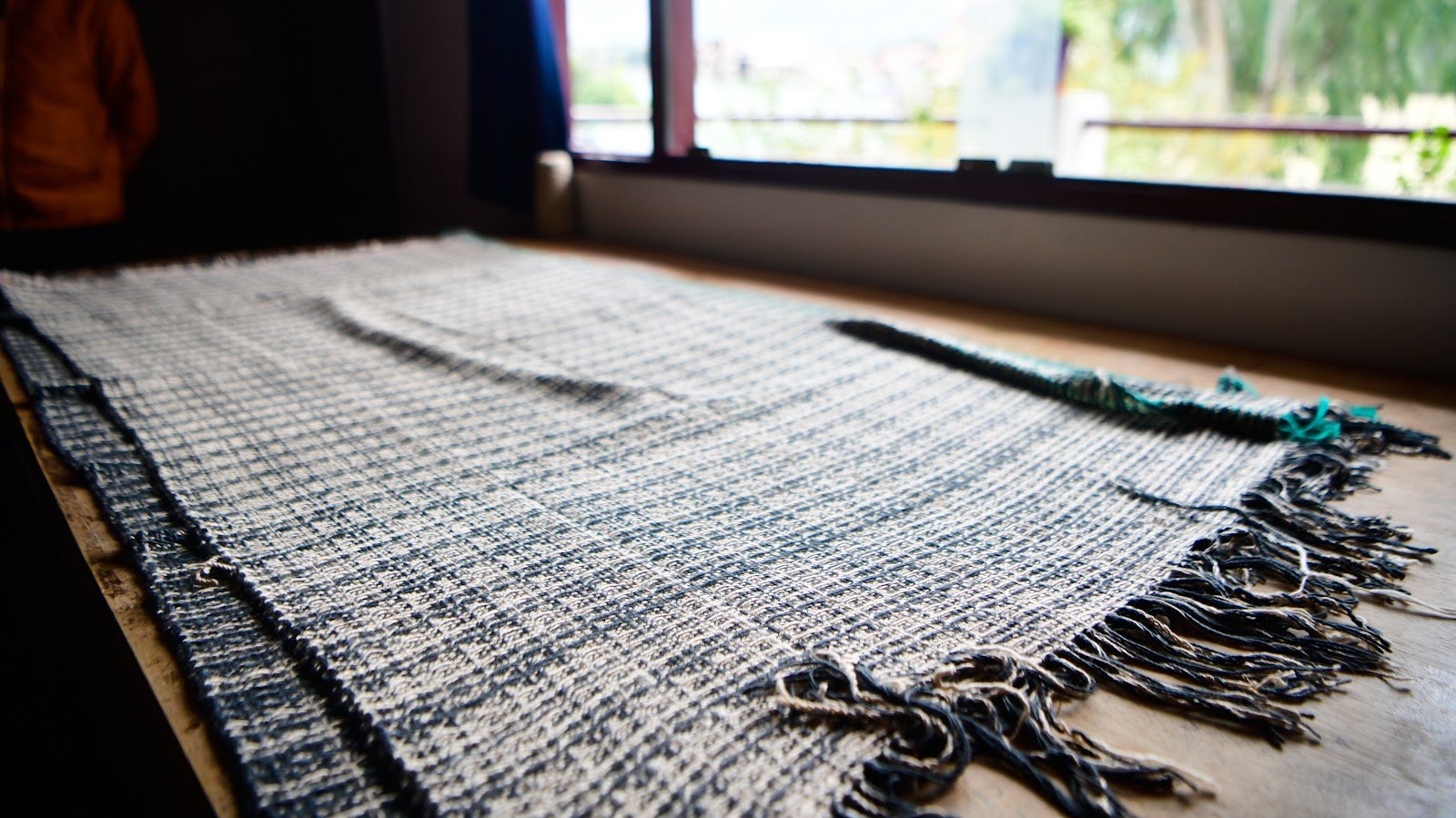
Spun in the Hills
Kullu Karishma started with rabbits. Dr. Kamal Kishore Chandel, a veterinarian, set up an Angora rabbit farm in the eighties, and when Europe began banning Angora imports in the nineties, he stopped selling the wool and founded a handcrafted clothing brand from it in 1991. His sons Kanishk and Kartik now run it from a three-storey workshop in Kullu, where everything happens under one roof: fleece is dyed, hand-spun, knitted, washed, set and tailored, and the dyes include local indigo, manjistha, walnut, pomegranate and eucalyptus. Men take the looms while women spin, knit and crochet, and a single artisan can spend a week hand-knitting one sweater. Alongside Angora, they now work with Australian merino and Mongolian cashmere, making cable-knit beanies, merino sweaters, scarves, throws and felt from the offcuts. The enterprise sells only to other labels, so its pieces usually reach the world under someone else’s name. They skip melas and exhibitions altogether, but they open the workshop to students for residencies.
Read more